


When most people think about healthy ageing, they tend to focus on their heart, their cholesterol, their blood pressure, or perhaps their memory. But there is another part of the body that’s just as important, and often overlooked. And that is muscle.
In fact, growing scientific evidence suggests that muscle mass and muscle strength are among the strongest predictors of healthy ageing, independence, and even longevity. Put simply, maintaining muscle may be one of the most important things we can do to remain active, capable and healthy as we get older.
Unfortunately, muscle loss is a natural part of ageing. But the good news is that it is not inevitable, and one of the most powerful tools we have to slow it down is surprisingly simple: eating enough protein.
The silent loss of muscle
From around the age of 40, most adults begin to lose muscle mass gradually. This process accelerates with age and can reach 1-3% per year in later life, which means that by 65, you could have lost a quarter of your muscle mass.
This age-related muscle loss is known as ‘sarcopenia’. While it’s not considered a disease, it is one of the major causes of frailty, weakness, loss of mobility and reduced quality of life in older adults. Many people assume that muscle loss simply means becoming a little weaker, but in reality, the consequences can be far greater.
Reduced muscle mass is associated with poorer balance, increased risk of falls, slower recovery after illness or surgery, loss of independence, and a higher risk of many chronic diseases. Studies have also shown that people with greater muscle mass and strength tend to live longer than those with less. That makes muscle one of the most important tissues in the body to protect as we age.
Muscle is built from protein
Muscle is mainly made of water, but protein is the second largest component.
Proteins themselves are built from smaller units called ‘amino acids’, often described as the building blocks of life. Without protein, there would be no muscle, but protein is also needed for much more than that, including:
- Skin and connective tissues
- Cartilage and tendons
- Bone matrix
- Hormones
- Enzymes
- Haemoglobin, which carries oxygen around the body
- Immune cells and antibodies
- New cells and tissues throughout the body
Every day, proteins are continually broken down and rebuilt. This includes our muscles, which are in a constant state of repair and renewal. This means that our bodies need a regular supply of dietary protein just to maintain the muscles we already have.
However, when muscle loss outpaces muscle repair, a slow but relentless decline begins. Strength falls, physical function deteriorates and the risk of frailty, falls and loss of independence increases.
Why older adults need more protein
One of the biggest misconceptions about nutrition is that our protein requirements stay the same throughout life. Not true. For many years, the recommended daily intake of protein was set at 0.8 grams per kilogram of body weight. For a 75 kg adult, that equates to around 60 grams of protein per day. However, many scientists in the field now believe that this recommendation is outdated.
The original recommendations were based largely on ‘nitrogen balance’ studies, which measured protein intake against protein losses, using nitrogen as the main marker. More recent research however has looked directly at actual clinical outcomes such as muscle mass, strength and physical function, providing a more realistic picture of what older adults actually need.
Many leading researchers now suggest that older adults should consume between 1.0 and 1.2 grams of protein per kilogram of body weight daily, with some recommending up to 1.5 grams per kilogram in certain circumstances, such as illness, recovery from surgery, or periods of inactivity.
For a 75 kg person, that could mean aiming for around 90-110 grams of protein per day. That’s roughly the equivalent of four medium chicken breasts or eighteen eggs. Most of us are not going to eat either of those in a day, which highlights just how difficult it can be for older adults to consume enough protein consistently.
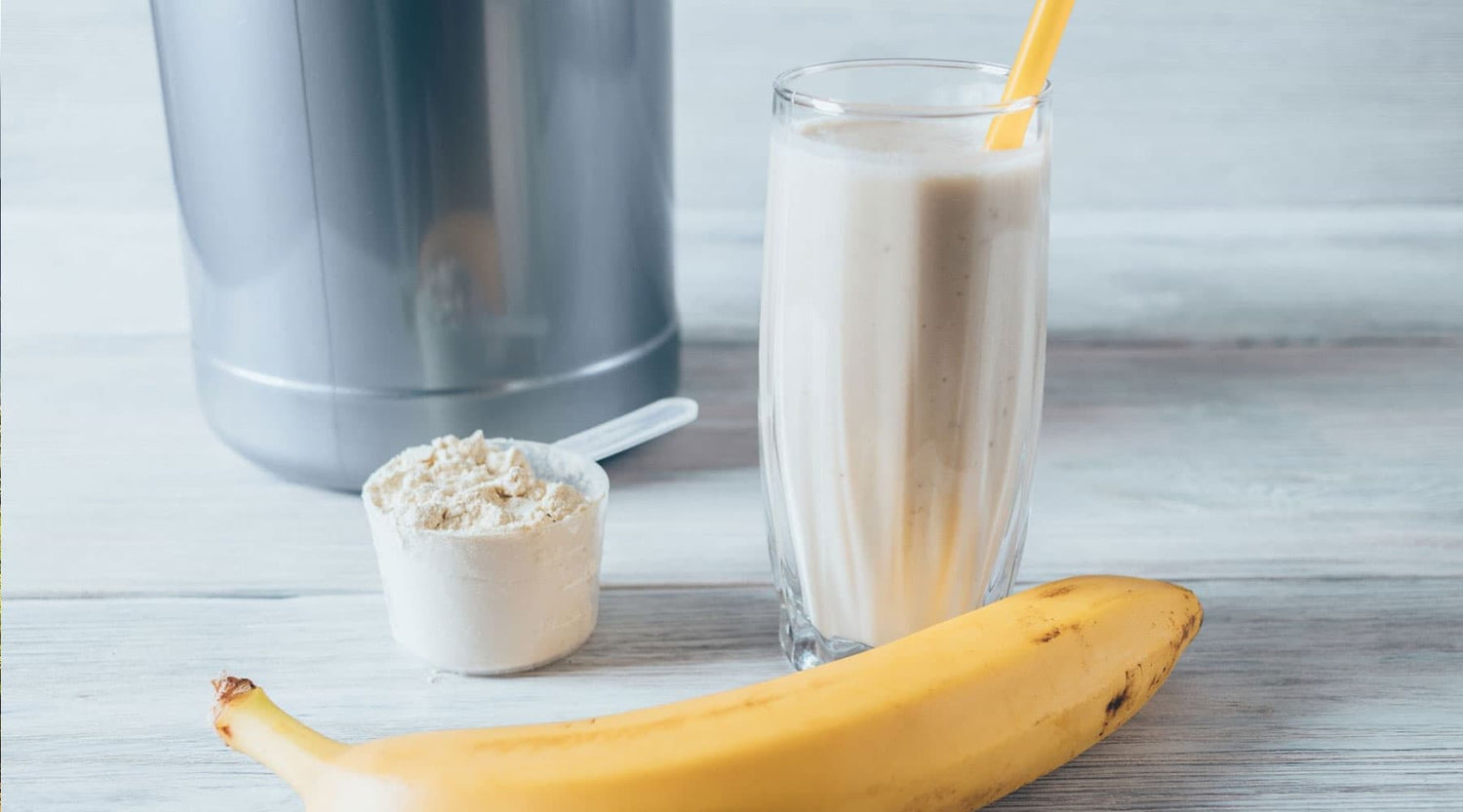
This is one reason why protein supplementation like Maintaining Muscle can be a sensible option, not as a replacement for a healthy diet, but as a practical way of helping to achieve these higher protein targets.
Most older adults are not eating enough protein
Data from the UK National Diet and Nutrition Survey (NDNS) suggests that the vast majority of older adults are failing to meet these newer protein targets. In fact, around 80% of older adults do not achieve the recommended intake of 1.2 grams per kilogram of body weight per day, according to this data.
Many people assume they’re eating plenty of protein because they have some meat with dinner or milk on their cereal. But when the total daily intake is calculated, it often falls well short of what’s needed to support healthy ageing. This shortfall may be one of the reasons why muscle loss is so common in older adults.
Ageing creates "anabolic resistance"
Another challenge is that ageing muscles become less responsive to protein. Scientists call this ‘anabolic resistance’. In younger adults, protein can stimulate muscle protein synthesis effectively, but in older adults, the same amount produces a weaker response. In simple terms, older muscles need a stronger growth signal to maintain themselves. This makes two things increasingly important:
- Eating enough high-quality protein.
- Regular resistance exercise.
Protein provides the building materials for muscle, while exercise tells the body where those materials are needed. Neither works as effectively without the other.
Not all protein sources are equal
All protein foods provide amino acids, the building blocks used to build and repair muscle. However, some proteins are richer in the ‘essential amino acids’ that the body cannot make for itself.
These essential amino acids are especially important for preserving muscle mass and strength as we get older. One amino acid deserves special attention and that is ‘leucine’. Leucine acts almost like a switch that turns on muscle protein synthesis, meaning that foods rich in leucine will be especially effective at stimulating muscle repair and growth. Good protein sources include:
- Fish
- Poultry
- Lean meat
- Eggs
- Dairy products
- Whey protein
- Soy products
- Beans and pulses
Plant proteins contribute to overall protein intake, but they are generally less concentrated and often contain lower levels of some of these essential amino acids. This doesn’t mean plant proteins are inferior, but it may mean that larger amounts are required to achieve the same protein target.
The short version: Watch your total daily protein intake – ideally 1.0-1.2 grams of protein per kilogram of body weight – and make sure to include protein in every meal.
Muscle matters for much more than just strength
Muscle plays a vital role in our overall health beyond the ability to lift heavy things. It helps regulate blood sugar, supports metabolic health, improves mobility, protects joints, and contributes to better balance and coordination.
One of the most serious impacts of muscle loss is an increased risk of falling. Around one in three older adults experiences a serious fall each year, which can lead to fractures, hospital admissions, loss of independence, or worse. In the UK, around 100,000 hip fractures occur each year, most commonly in older adults. Perhaps the most sobering statistic is that around one in four hip fracture patients won’t survive beyond 12 months following the fall and subsequent surgery.
Muscle health also becomes critically important during periods of illness or recovery. A hospital stay, surgery, or prolonged period of bed rest can trigger a ‘catabolic crisis’, a rapid loss of muscle mass and strength. Rebuilding and regaining strength, mobility and confidence can be extremely challenging for older adults, which can lead to frailty and loss of independence. Being prepared with greater muscle reserves improves the chances of recovery – highlighting the importance of maintaining muscle throughout later life.
The simple formula for healthy muscle ageing
The science around muscle health is extensive, but the practical message is straightforward. To maintain muscle as you age:
- Stay physically active every day.
- Include resistance or strength exercise two or three times each week.
- Aim for at least 1.2 grams of protein per kilogram of body weight daily.
- Spread protein intake across the day rather than eating most of it at one meal.
- Make sure you’re getting enough of key nutrients such as vitamin D, calcium and magnesium.
- Get enough sleep and allow time for recovery.
Ageing is inevitable. Losing strength and independence is not
One of the most important aspects of healthy ageing is how much muscle we hold on to as we get older.
Protein isn’t just for bodybuilders. It’s the raw material for building and repairing muscle, maintaining tissues, supporting immunity, producing hormones and enzymes, and keeping the body functioning properly.
Eating enough protein combined with regular resistance exercise will slow sarcopenia, maintain strength and independence, reduce the risk of falls, and help you stay strong, active and capable for years to come.
Dr Max Gowland, PhD, is the founder of Prime Fifty.
Find out more about Prime Fifty's Maintaining Muscle





Leave a comment
This site is protected by hCaptcha and the hCaptcha Privacy Policy and Terms of Service apply.