


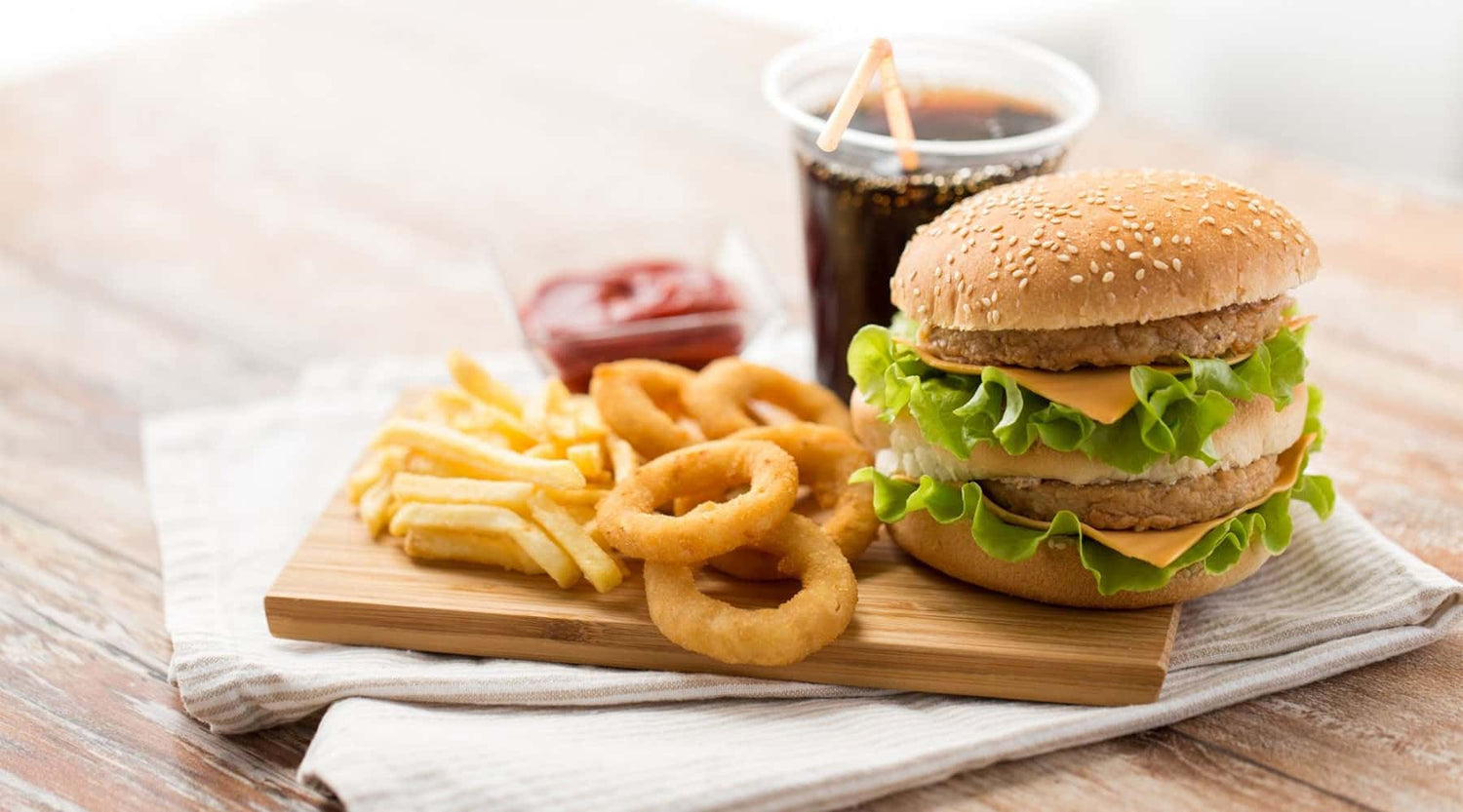
Ultra-processed foods, or UPFs, have become one of the biggest nutrition talking points of recent years. In the UK, more than half of the calories many people eat now come from ultra-processed foods, even more in the diets of children and teenagers.
What exactly are ultra-processed foods – and why do we need to care about them?
The term comes from the ‘NOVA’ classification system, developed by nutrition researchers in Brazil in 2009. Instead of just measuring calories, fat, sugar or protein, NOVA looks at how much a food has been industrially processed.
At one end of the NOVA scale are simple foods like fruit, vegetables, eggs, fish, milk, oats, beans, lentils, nuts and seeds. These can be washed, chopped, frozen or pasteurised, but are still close to their natural form.
Then there are ingredients used in cooking, such as oil, butter, sugar and salt, followed by processed foods such as cheese, tinned tomatoes, traditional bread or homemade jam. These have been altered, but mostly in ways that are easy to understand and that we can often do ourselves in a domestic kitchen.
Ultra-processed foods are at the other end of the NOVA scale: industrial formulations made using ingredients and techniques that are rare in home cooking. They may contain refined starches, glucose syrups, hydrogenated fats, flavour enhancers, emulsifiers, colours, stabilisers, sweeteners and preservatives. These are added to improve taste, texture, shelf life and convenience, for food that is quick, cheap, tasty and often easy to overeat.
One of the reasons why UPFs are so successful is that they fit perfectly into busy modern life. They're easy to store, ready to eat, strongly flavoured and heavily marketed. After a long day, a microwave meal, a packet of crisps or a bowl of sweet cereal can feel like the simplest option.
Eating foods like these occasionally isn't a problem. The problem starts when they become the foundation of your entire diet.
What the research says about ultra-processed foods and your health
Research is increasingly linking high intakes of UPFs with overall poorer health, obesity and the onset of chronic diseases. A major review published in The British Medical Journal looked at evidence from studies involving almost 10 million people and reported associations between higher UPF consumption and a wide range of health outcomes, including obesity, type 2 diabetes, cardiovascular disease, depression and early death.
Much of this evidence is observational, which means it only shows ‘associations’ between UPFs and disease, rather than proving direct cause and effect. Other factors including stress, sleep, smoking, income, education and physical activity can all influence health outcomes, so we need to be careful about drawing hard conclusions.
Even so, there are plausible reasons why a diet high in UPFs may be harmful. Many are high in sugar, salt, refined carbohydrates and unhealthy fats, but low in fibre, protein, vitamins, minerals and protective plant compounds like polyphenols. And while we're eating them, we're missing out on better foods such as vegetables, pulses, whole grains, fruit, oily fish, nuts and seeds.
Ultra-processed foods may also influence your appetite
Some studies suggest that people on ultra-processed diets eat more calories without necessarily feeling more satisfied. The foods are often soft, easy to chew, energy-dense and designed to be highly palatable. This means they can bypass some of the body’s normal fullness signals, which is why they are just so ‘easy’ to overeat.
Some additives, including certain emulsifiers and sweeteners, are also being studied for their possible effects on gut bacteria, inflammation and general metabolism. The science is still developing, but it is another reason to be cautious about letting these foods dominate your diet.
Not every food labelled “ultra-processed” is equally bad
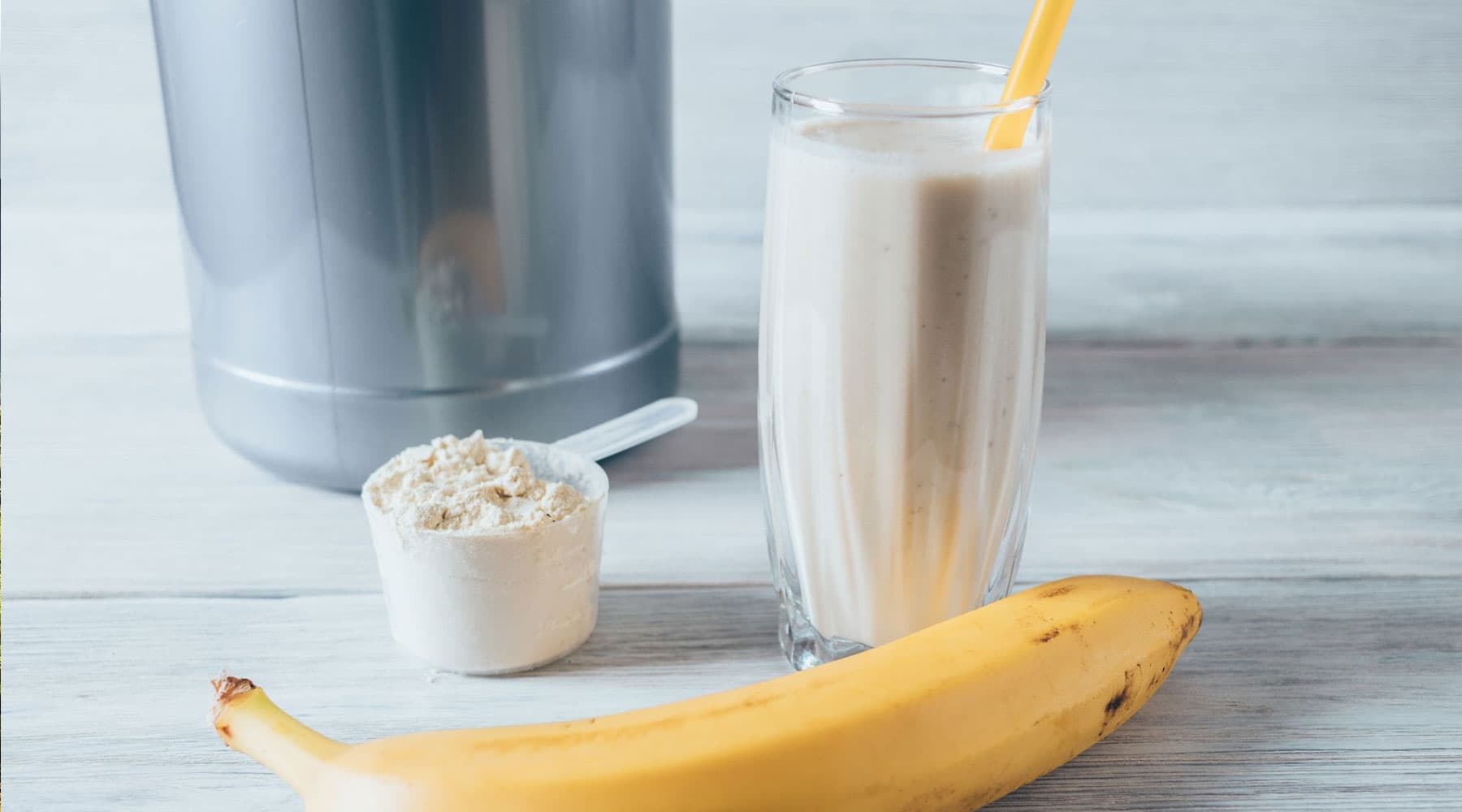
A wholegrain breakfast cereal, fortified soya milk, a protein shake, or packaged wholemeal bread may technically be a UPF, yet still provide useful fibre and protein, or healthy nutrients. These aren’t the same as fizzy drinks, sweets, processed meats or deep-fried snacks.
This is why some scientists are now starting to challenge the ‘anti-UPF’ bandwagon, instead looking at culprits such as high saturated fat, sugar, salt, low fibre and low protein, as the key influences on poor health outcomes. It's not about fearing every packaged food, but just making balanced choices more often.
A useful question to ask is: is this food adding something valuable to my diet, or is it just calories, salt, sugar and fat in a very tempting form?
If you want to improve your health, start with the UPFs that offer the least nutritional value and the greatest potential harm. Here are ten to cut back on or ideally remove from your regular diet.
1. Sugary fizzy drinks
These are among the easiest UPFs to overconsume because liquid calories don’t satisfy us in the same way as solid food. They deliver a rapid hit of sugar without fibre, protein or useful nutrients, and regular consumption is strongly linked with weight gain and poor metabolic health. Swap for sparkling water with lemon, herbal tea, coffee, or diluted fruit juice as an occasional treat.
2. Processed meats
Bacon, ham, salami, hot dogs and many sausages are often high in salt, saturated fat and preservatives such as nitrites. Processed meat has also been linked with an increased risk of bowel cancer. If you eat meat, then choose fresh chicken, turkey, fish or lean cuts more often, and keep processed meats occasional rather than everyday.
3. Packaged cakes and pastries
Doughnuts, iced buns, muffins, croissants and long-life cakes are usually made with refined flour, sugar, fats, emulsifiers and flavourings. Most of us love these treats, but they are so calorie-dense, very low in fibre and easy to eat far too quickly. A homemade cake enjoyed occasionally is one thing; a daily packaged pastry with coffee is quite another.
4. Crisps and extruded savoury snacks
Crisps, cheese puffs and similar snacks are engineered for crunch, saltiness and repeat eating. Though the ‘healthier’ crisps are now largely baked, rather than fried, they are still often high in fat and salt, while offering little real nutritional value. Much better options include a handful of nuts, roasted chickpeas, oatcakes with hummus or plain popcorn, without the sugar.
5. Energy drinks
Energy drinks are often loaded with sugar, caffeine, acidity, colourings and flavourings, and they are heavily marketed as a quick fix for tiredness. The problem is that they can encourage a cycle of blood sugar highs and lows, and poor sleep leading to more fatigue the next day. Some sugar-free versions avoid the sugar, but they are still highly processed and can keep the taste buds trained towards very sweet flavours. For a more sustained energy lift, try water, coffee or tea in moderation, a protein-rich snack, or simply getting outside for a brisk ten-minute walk.
6. Instant noodles and packet noodle meals
These are cheap and convenient, but many are quite high in salt, refined carbohydrate and flavour enhancers, while being low in protein, fibre and micronutrients. If you enjoy noodles, add vegetables, tofu, prawns, chicken or an egg, and use less of the seasoning sachet.
7. Ready-made pizzas
Frozen and chilled pizzas can be high in refined flour, salt, processed meats and saturated fat. They are also very easy to overeat. A better approach is to choose thin bases, add extra vegetables, avoid processed meat toppings and serve with a large salad.
8. Chicken nuggets and reformed meat products
These often contain mechanically processed meat, starches, coatings, oils, flavourings and salt. They may look like simple protein foods, but they are usually far removed from a piece of chicken. Choose grilled chicken, fish, eggs, beans or lentils more often.
9. Sweets, chocolate bars and confectionery
These products are designed to be intensely rewarding, combining sugar, fat, flavourings and texture in ways that make stopping difficult. They are fine as occasional treats, but not as daily snacks. Try fruit with yoghurt, a few squares of dark chocolate, or nuts and dried fruit instead.
10. Fast-food burgers and fried meals
Fast food is often the perfect storm of ultra-processing: refined bread, processed meat, sugary sauces, salt, fried potatoes and sugary drinks. It’s convenient and enjoyable, but as a regular habit it can push the diet towards excess calories, salt, saturated fat and low fibre. Keep it occasional and avoid making it the default meal when life gets busy.
The good news is that improving your diet doesn't need perfection
Start by looking at the foods you eat most often and think about making healthier swaps. Look at your breakfast, snacks and drinks first, because these are where UPFs often creep in unnoticed. As over 90% of us snack daily, according to a recent study, this is where you can make a big difference. You could also try building meals around simpler foods like vegetables, fruit, beans, lentils, fish, eggs, yoghurt, oats, whole grains, nuts, seeds and good-quality oils.
A good rule is to look at the ingredient list on the pack. If it contains several ingredients you would never use yourself in the kitchen, or if the product is built mainly from refined starches, sugars, oils and additives, it's probably best kept as an occasional food.
Ultra-processed foods aren't going to disappear from our lives, and we don't need to worry about eating them from time to time – but they shouldn't dominate our dinner plates.
The foundation of good health still lies in real, recognisable foods, prepared simply and eaten regularly. The more we choose them, the better our chances of protecting our weight, our gut health, our heart, brain and long-term wellbeing.
Dr Max Gowland, PhD, is the founder of Prime Fifty.




Leave a comment
This site is protected by hCaptcha and the hCaptcha Privacy Policy and Terms of Service apply.