



As we get older, good nutrition matters more, not less.
Nutrition is one of the most important levers we can pull to support our ‘healthspan’ – the number of years we live in good health – and take care of our mobility, immunity, cognition, vision and cardiovascular health.
Yet the UK's National Diet and Nutrition Survey (NDNS) continues to show that many of us fall short of important micronutrients such as vitamin D, fibre and magnesium, especially as we get older.
That's where supplements can make a real difference. The key is choosing them wisely. Here are five questions I believe everyone should ask before taking a supplement.
1. Am I using this supplement to support a healthy diet – or replace one?
Food should always come first.
A balanced diet provides far more than vitamins and minerals. It delivers protein, healthy fats, fibre and thousands of naturally occurring plant nutrients such as polyphenols which work together in ways no tablet ever can.
But food-first does not mean food-only. But even with a good diet, a targeted supplement can help to fill genuine nutritional gaps, as shown by NDNS data.
Nearly 90% of the population are failing to consume the target intake for magnesium, for example; over 80% for zinc, and vitamin D deficiency remains common. People often struggle to meet recommended intakes of important nutrients from modern diets. This is especially true as we get older, when appetite can decline and absorption in the gut becomes more challenging for key nutrients such as vitamin B12.
High-quality supplements designed for specific needs, with added support for absorption if required, can offer important support for good nutrition – but never replace it.
2. Is the dose sensible?
More isn't always better – neither is ‘megadosing’.
Taking multiple supplements with the same ingredients, or loaded with extremely high doses, can backfire. In the worst case, you could end up exceeding safe daily upper limits.
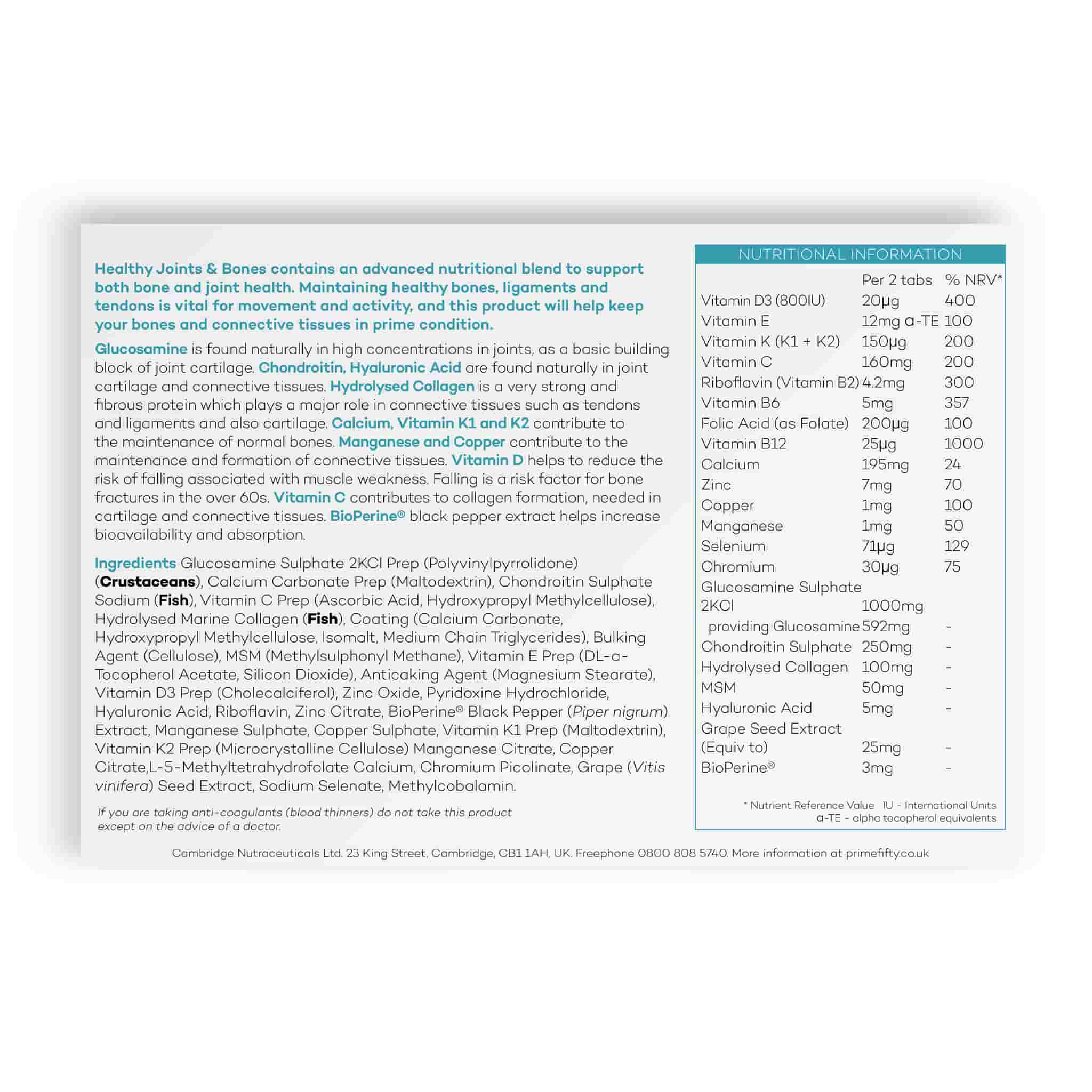
For example, the NHS recommends a minimum daily intake of vitamin D of 10 micrograms a day, and adults can safely take up to 100 micrograms a day. Disreputable brands online will sometimes offer doses of 250 micrograms or more, which should be taken only under medical supervision. Too much vitamin D can lead to a toxic buildup of calcium in the blood, and liver and heart health issues.
Always be sceptical of supplements that promise ‘maxxing’. The aim of supplements is to restore balance, not to overwhelm the body.
If you’re taking multiple supplements, keep an eye on the total amounts of vitamins and minerals you’re taking every day. A reputable brand will always be aware of this, with responsible formulations that are clearly labelled. If you’re concerned, they should be able to advise you directly, to ensure you’re taking a safe and effective combination.
3. Is this supplement right for me?
Your age, diet, lifestyle, medical history and any medicines you take all matter. That's why it's always worth checking the label, following the recommended daily intake and speaking to your GP or pharmacist if you're taking prescription medication or managing a health condition.
A responsible supplement company will always encourage those conversations, not discourage them.
4. Is the supplement supported by good evidence?
I believe every supplement should be able to justify its place.
That means quality ingredients backed by credible evidence and formulations designed to meet genuine nutritional needs rather than chase the latest trend.
A reputable company should also be happy to answer your questions before you buy. They should be able to explain why a product contains the ingredients it does, who it's suitable for and whether it's appropriate alongside other supplements or medicines.
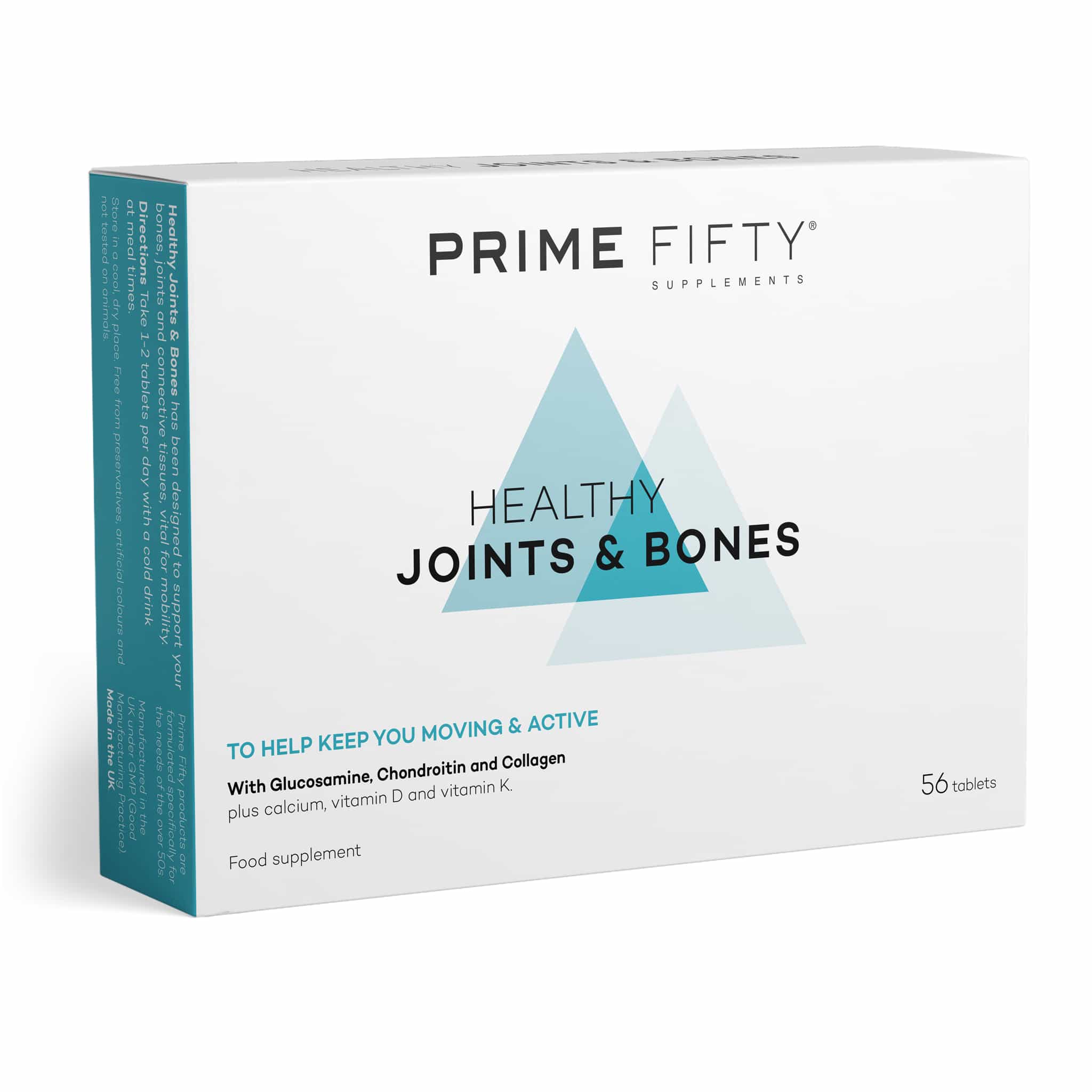
At Prime Fifty, our customer care team is here to do exactly that. Every supplement in our range has been developed on the basis of solid data from Public Health England and the science of healthy ageing, tailored specifically for the needs of people over 50.
5. Do I trust who made it?
When you're putting something into your body every day, quality matters.
Be wary of products sold online with poor labelling, dubious provenance or promises that sound just too good to be true.
Choose supplements from companies that manufacture to recognised quality standards, test their products regularly and are transparent about what's inside them. You should have confidence that what's written on the label is what you're actually taking.
At Prime Fifty, our products are manufactured to Good Manufacturing Practice (GMP) standards and are regularly tested for safety and compliance. We’re part of the Health Food Manufacturers’ Association (HFMA), which exists to promote adherence to quality manufacturing standards, safe ingredient limits, and accurate product labelling.
More than that, I believe quality should be transparent, which is why we make our Certificates of Analysis available and are always happy to answer questions about how our products are made.
Supplements can be powerful support, but never a shortcut
Some supplements are unnecessary. Some are poorly formulated. Some are sold at doses that make little nutritional sense. But others can help people meet genuine needs, particularly where nutritional data show persistent shortfalls, and where ageing increases the importance of maintaining muscle, bone, immune and metabolic health.
For most people, the best approach is simple: Eat as well as you can. Prioritise protein, plants, fibre, healthy fats and minimally processed foods. Stay active. Do resistance exercise. Get outside. Sleep properly. And then, where diet and lifestyle leave gaps, consider carefully chosen supplements from a trusted source.
Supplements should not replace common sense. But used wisely, they can support it.
Dr Max Gowland, PhD, is the founder of Prime Fifty.
Need any help or advice? Call our award-winning customer care team on Freephone 0800 107 5995, Monday to Friday, 9am-5pm or email us at hello@primefifty.com.





Leave a comment
This site is protected by hCaptcha and the hCaptcha Privacy Policy and Terms of Service apply.