



In a Prime Fifty survey of over a thousand people aged 50+, ‘I don't have the energy I used to’ came top of a list of challenges about getting older, from more frequent afternoon energy slumps to needing to rest more often.
It can be tempting to just accept tiredness as part of getting older. But it’s also telling us something about what’s happening inside our bodies.
Fatigue is rarely caused by one thing, and is usually the result of several biological changes occurring at the same time. Changes in our muscles, hormones, sleep patterns, metabolism, immune system and even the tiny ‘power stations’ in our cells can all contribute to feeling less energetic.
But the good news is that we can still influence many of these changes as we get older through the choices we make every day.
Stay active to make new 'power stations' in your cells
In every cell in the body, we have tiny ‘power stations’ called mitochondria which convert food and oxygen into the energy that powers our movements, thoughts and bodily processes. As we age, they become less efficient, and some will simply disappear.
This happens particularly in our muscles, which contain the most mitochondria. As a result, we can find ourselves becoming tired more easily, recovering more slowly from physical activity, and even struggling with tasks that once seemed effortless.
The good news is that our mitochondria respond well to changes in lifestyle, even as we get older.
Regular physical activity – especially walking, cycling and resistance training, stimulates the production of new mitochondria in all our cells.
Scientists call this ‘mitochondrial biogenesis’. If you give your body a reason to build new power stations, then it will respond to the demand, and your energy levels will start to rise as a result.
Build up your muscle mass
Carrying the shopping, climbing stairs or spending a few hours gardening can feel harder as we get older simply because we’re losing muscle.
From around the age of 40 onwards, we gradually begin to lose muscle mass and strength, unless we actively work to maintain it. This age-related muscle loss is known as ‘sarcopenia’, and it tends to accelerate as we get older.
But muscle doesn’t just help us move and carry things. It’s also one of the most metabolically active tissues in the body, helping to regulate blood sugar levels, supporting our overall mobility and acting as an important reserve of strength and energy. But as muscle mass declines, our remaining strength has to take on more and more of our everyday activities, making them feel harder and more tiring.
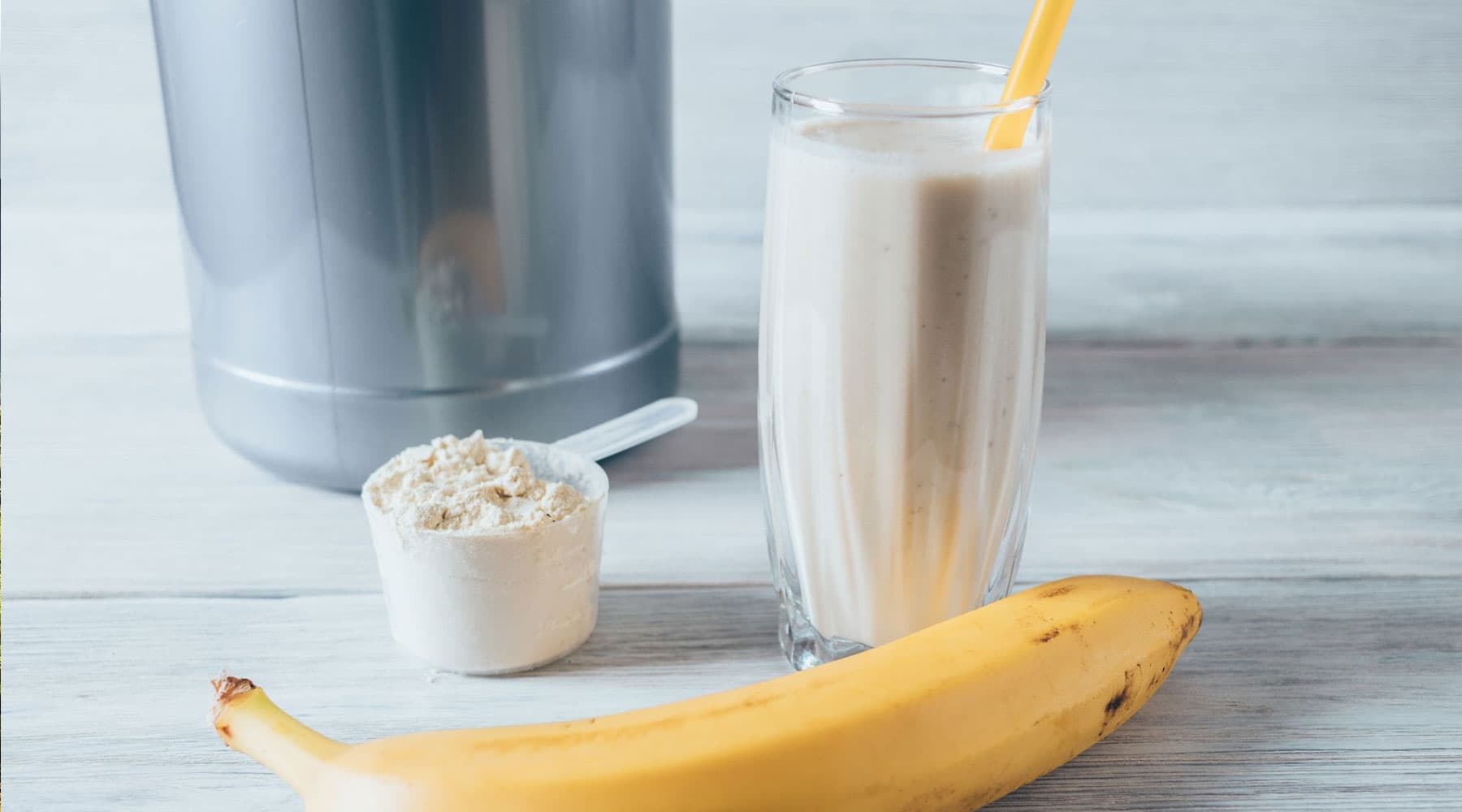
Regular strength-based exercise and eating plenty of protein can help preserve your muscle and support healthy energy levels.
Even your balance will be improved, which in turn will help reduce the risk of falling as we age. This may sound relatively unimportant, but falls are one of the greatest threats to health and independence as we get older.
Learn more about how to maintain your muscle strength as you age
Protect your sleep
Most of us notice changes in our sleep as we get older: waking more often during the night and finding it harder to stay asleep. Even if we spend the same number of hours in bed, the quality of our sleep often declines.
Poor sleep doesn’t just affect our energy levels; it reduces mental sharpness, affects mood, impairs memory and leaves us feeling physically drained. Poor sleep has also been shown by scientists to be associated with a higher risk of cardiovascular disease, diabetes and even certain cancers.
Sleep disorders such as sleep apnoea – where breathing repeatedly stops and starts during sleep – also become more common with age and can significantly reduce daytime energy levels. If you regularly wake up feeling tired, despite a full night's sleep, snore heavily or experience excessive daytime fatigue, it may be worth discussing this with your GP.
Going to bed in a cool and dark environment and rising at the same times each day, not eating too late, and avoiding alcohol can all help to support better quality sleep.
Never underestimate the importance of good sleep – it’s one of the most powerful natural energy boosters available to us.
Learn more about how to protect your sleep
Top up the nutrients that drive energy production
Another common reason for fatigue is simply poor nutrition. As we get older, our ability to absorb some nutrients from what we eat often declines, leaving us low on what we need for energy production.
For example, many older adults produce less stomach acid than they once did, which makes it harder to extract vitamin B12 from food. Because B12 is essential for energy production, nerve function and red blood cell formation, low levels can leave us feeling tired, weak and mentally sluggish.
Other nutrients important for energy include iron, vitamin D, magnesium and folate, which the UK’s National Diet and Nutrition Survey shows are often sub-optimal in our diets as we age.
Eating a diet rich in vegetables, fruits, legumes, nuts, seeds, fish, eggs and quality protein sources provides many of the nutrients needed to support healthy energy production.
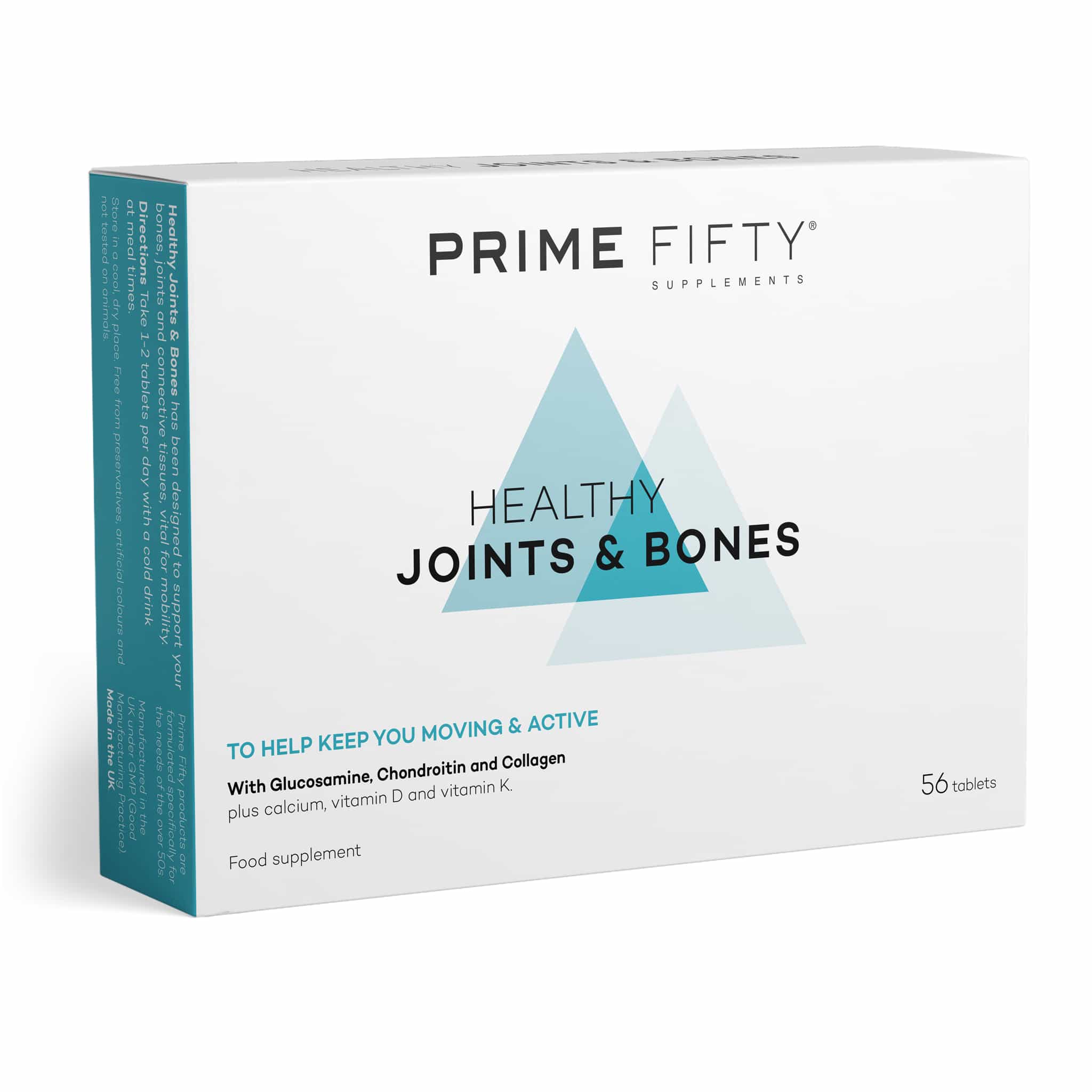
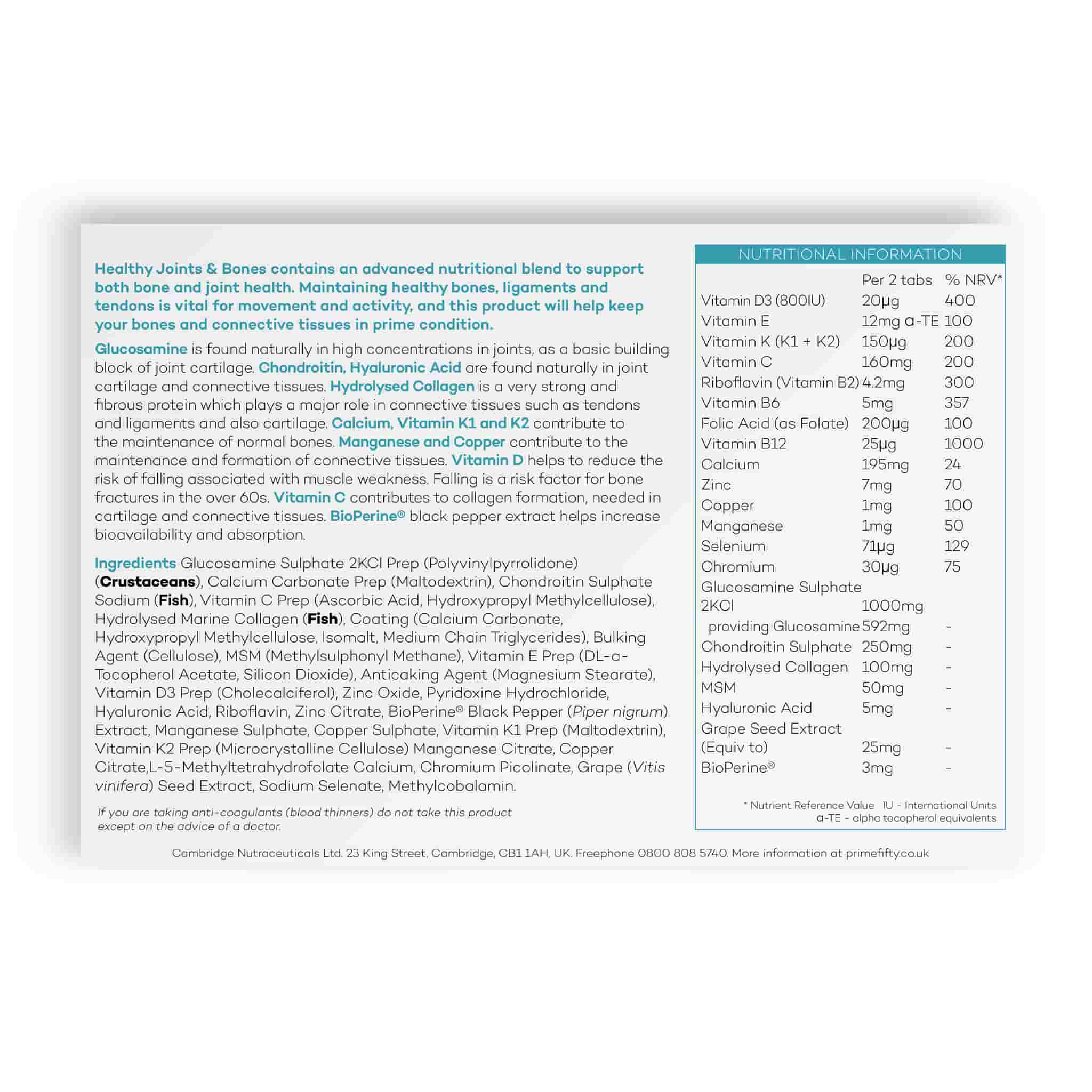
Supplements tailored for adults over 50s, such as Prime Fifty's Fighting Fatigue, can provide extra support, reliably topping up key nutrients to healthier daily levels.
Watch your blood sugar levels
Many people experience energy ‘crashes’ during the day, suddenly feeling tired for no obvious reason. The reason could be ‘insulin resistance’.
When our cells become less responsive to insulin, blood sugar regulation becomes less efficient. Blood glucose can rise rapidly after a meal and then fall more sharply afterwards, leaving us feeling hungry, tired and lacking concentration.
Insulin resistance becomes increasingly common with age, particularly in those carrying excess weight around the abdomen or living a sedentary lifestyle. When insulin resistance becomes severe, it can develop into type 2 diabetes, which can lead to many age-related health problems.
Choosing whole grains over refined carbs, cutting back on sugary drinks, eating more fibre, being more physically active and maintaining muscle mass can significantly improve insulin sensitivity and help stabilise your energy levels throughout the day.
Watch out for chronic inflammation
‘Inflammageing’ is a term for low-grade chronic inflammation that gradually builds up in our bodies over time. And unlike the inflammation that helps us recover from injury or infection, this unhealthy inflammageing quietly smoulders away in the background for years.
Researchers now believe it contributes to many age-related diseases and may also be a major driver of fatigue as we get older. Inflammation places constant demands on our immune system and can interfere with normal mitochondrial function, making energy production less efficient.
The good news is that many of the lifestyle habits that support healthy ageing – regular exercise, maintaining a healthy weight, eating plenty of plant foods and avoiding smoking – all help reduce inflammation to protect energy production.
Our hormones play a role, too
Our hormones also influence how energetic we feel. As we age, levels of hormones such as testosterone, oestrogen and growth hormone gradually decline. As these hormones help regulate muscle mass, metabolism, recovery and overall vitality, you can see why hormonal decline can cause fatigue. For women in particular, the hormonal changes associated with menopause can also affect sleep quality, mood and overall energy levels.
While these hormonal changes are just a natural part of ageing, many of their effects can also be alleviated through the ways we've talked about, with good nutrition, regular exercise, maintaining muscle mass and prioritising sleep.
Getting older is inevitable – but feeling permanently tired is not
Feeling more tired as we age is usually the result of biological changes which together impact our energy levels. But there are many lifestyle levers we can pull on to influence and reduce these impacts – from how well we sleep, how much muscle we maintain, what we eat, how active we are, and how effectively our cells produce energy.
The sooner we start looking after these areas, the better our chances of staying active, independent and full of life for years to come.
Dr Max Gowland, PhD is the founder of Prime Fifty.



Leave a comment
This site is protected by hCaptcha and the hCaptcha Privacy Policy and Terms of Service apply.