



As we get older, our bodies start to change in lots of ways, including our muscle health. From middle age on, the body’s total muscle mass starts to shrink at around one to two percent a year, on average, accelerating after 65. This natural loss of muscle strength, known as sarcopenia, becomes a risk factor for falls and fractures as we get older.
There are many reasons why this happens but one of the main causes is that we become ‘anabolically resistant’. What does that mean? The same protein that would trigger robust muscle growth in a 25-year-old produces much less in someone aged 65. This means that older adults actually need more protein than younger people, not less as often gets assumed.
What you need to stay strong
The good news is that the rate of muscle loss per year can vary widely – and a lot of that is in your control. People who are active and eat well tend to maintain much more muscle than those who don’t, even as they get older.
Meanwhile, older adults can keep on regenerating new muscle with two key ingredients: plenty of protein and regular physical activity.
90 to 110 grams of protein a day
You now need more protein than the kids. According to the latest science, older adults actually need between 90 to 110 grams of protein per day, on average, compared with the official recommendation of around 60 grams. Public Health England data show that nearly 90 percent of older adults fail to reach this updated daily target.
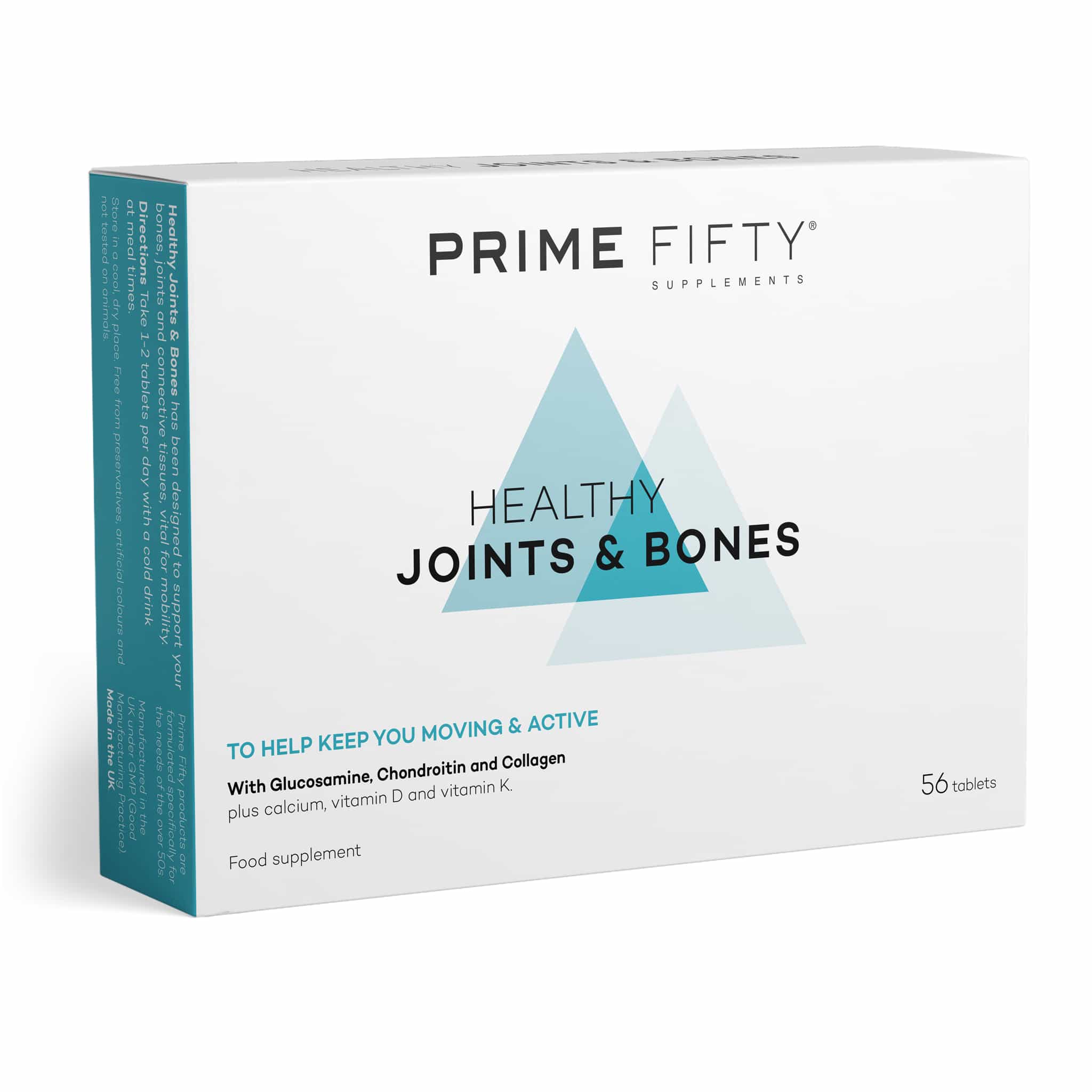
Supplements can help bridge that gap. Protein powders, targeted amino acid blends, and micronutrient blends that support muscle metabolism (such as vitamin D, magnesium, zinc and calcium) can make a real difference here. Prime Fifty’s Maintaining Muscle is specifically designed to support healthy muscle growth after 50 with a blend of whey protein and muscle-supporting nutrients.
Strength training two or three times a week
Resistance exercise with weights, resistance bands, or even simple bodyweight exercises is the single most powerful way to counteract muscle loss. When a muscle is forced to contract against resistance, tiny microtears occur in its fibres. These microscopic injuries trigger repair during rest, leading to thicker and stronger fibres.
Strength training two or three times per week is enough for meaningful muscle growth. Focus on all major muscle groups, not just one or two, and try to increase the intensity over time.
Maintaining strength isn’t about vanity – it’s about freedom. Staying strong allows us to lift our grandkids, to travel, garden, walk without fear of falling, and to live independently. It also helps preserve energy, mood, and cognitive health too, because our muscle health is so deeply interconnected with the rest of the body.
And it’s never too late to start. Muscles remain responsive to resistance training throughout life. A combination of strength exercise, nutrition, rest and overall lifestyle will all help to protect and preserve your muscle strength.
Learn more about Maintaining Muscle
Dr Max Gowland, PhD is the founder of Prime Fifty.



Leave a comment
This site is protected by hCaptcha and the hCaptcha Privacy Policy and Terms of Service apply.