


We all know our chronological age – the number of years since we were born. But there’s another, more telling measure: our biological age – how well your body is functioning.
Two people may both be 60 on paper, but one could have a biological age of 45 and the other 75. What makes the difference? Lifestyle, nutrition, activity, stress and sleep quality can all influence how well our body is ageing at a cellular level.
What makes us age faster?
Ageing is driven by more than time. Our genes play a role, but our lifestyle is the major driver of our biological age. Poor diet, a lack of movement, chronic stress, too much alcohol, smoking, poor sleep, and environmental toxins – all accelerate biological ageing.
Under the surface, ageing is fuelled by mechanisms like ongoing inflammation, oxidative stress, the decline of our mitochondria (the ‘powerhouses’ in our cells that produce energy), and widespread cellular damage.
Together, these affect everything from our heart health to liver health, brain and cognition, joint and muscle health.
Why some people feel older than they are
Nutrition plays a major role in our health and how we age. But as we get older, our ability to absorb nutrients from our diets declines as our stomach acid levels drop. Medication – used by over 80 percent of people after 50 – can further slow absorption and even deplete vital nutrients. Meanwhile, vitamin D – the ‘master vitamin’ for healthy muscles, bones, immunity and more – becomes harder for us to make in our skin from sunlight.
Gut health also deteriorates in many older adults, leading to ‘dysbiosis’, where bad gut bacteria start to outweigh the good. This in turn can cause not only gut issues, but also fatigue, reduce immunity, and even cause brain fog. Less energy can lead to less movement and activity, which in turn can accelerate muscle loss and lead to frailty as we get older.
The good news? So much of this is within your power to control.
How to slow down biological ageing
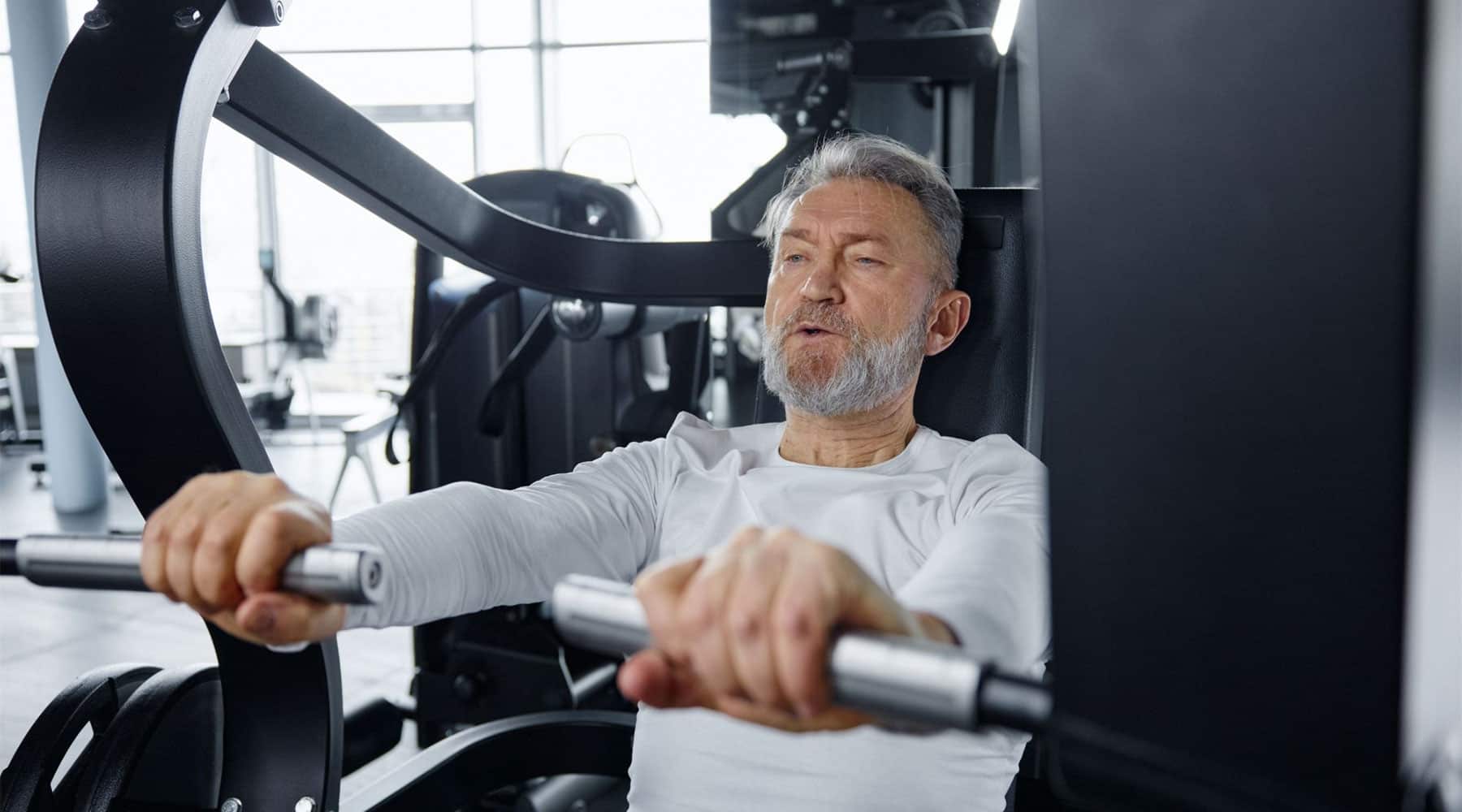
Keep moving – with a bit of resistance exercise. Staying active, especially with resistance training (like weights or bodyweight exercise), along with a protein-rich diet, helps preserve muscle mass and helps retain all-important insulin sensitivity, overall bone strength, and general metabolism. It also boosts general mood and cognitive function.
Eat well to protect your cells. A whole-food diet rich in vegetables, nuts, seeds, oily fish, and legumes helps combat inflammation and oxidative stress, two significant mechanisms of ageing. Declining nutrient absorption and common deficiencies in our diets also make targeted supplementation more important after 50.
Feed your gut. Include prebiotics (like oats, onions, and garlic), fermented foods (like yoghurt, kefir and sauerkraut), and consider a broad-spectrum probiotic to support microbial diversity and immune function.
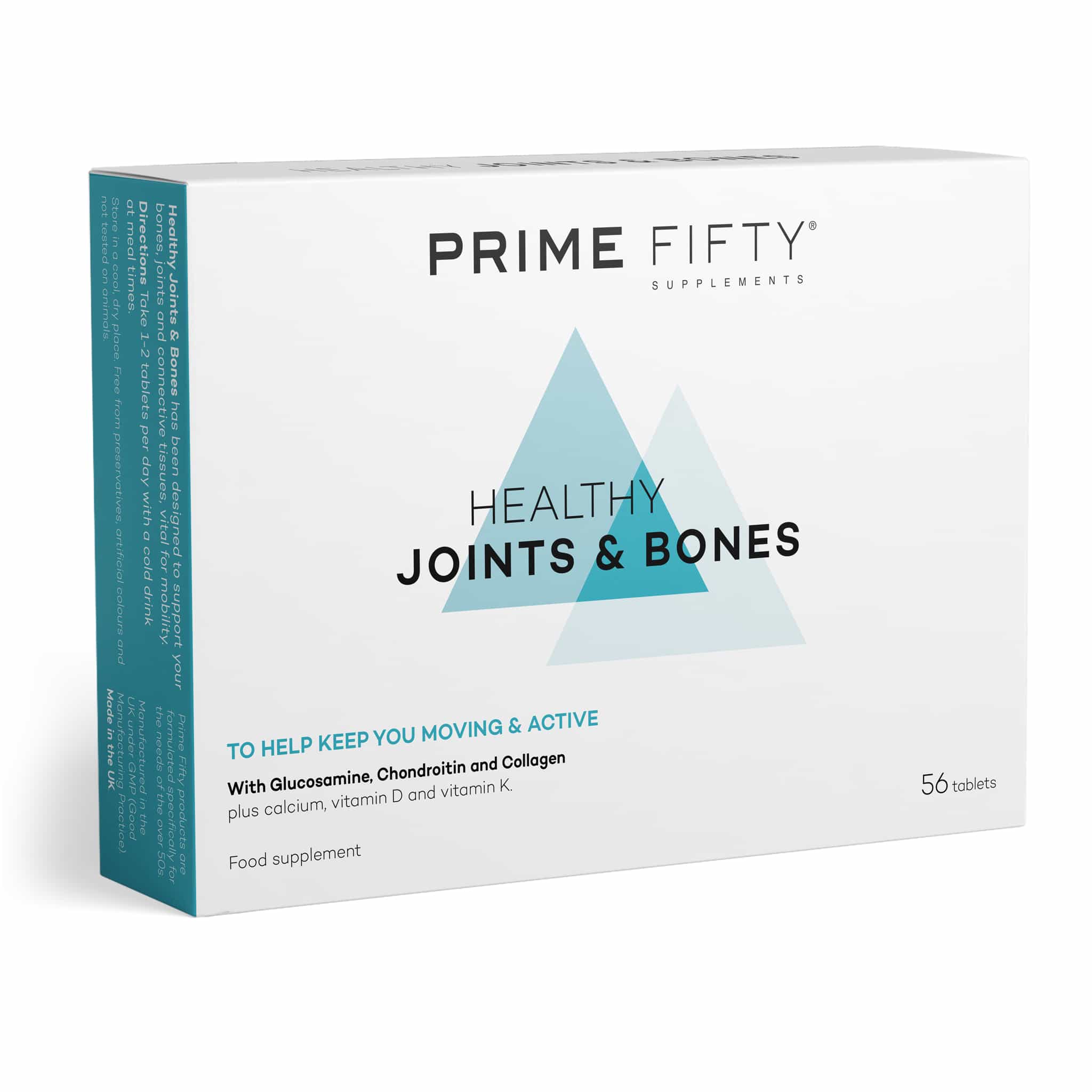
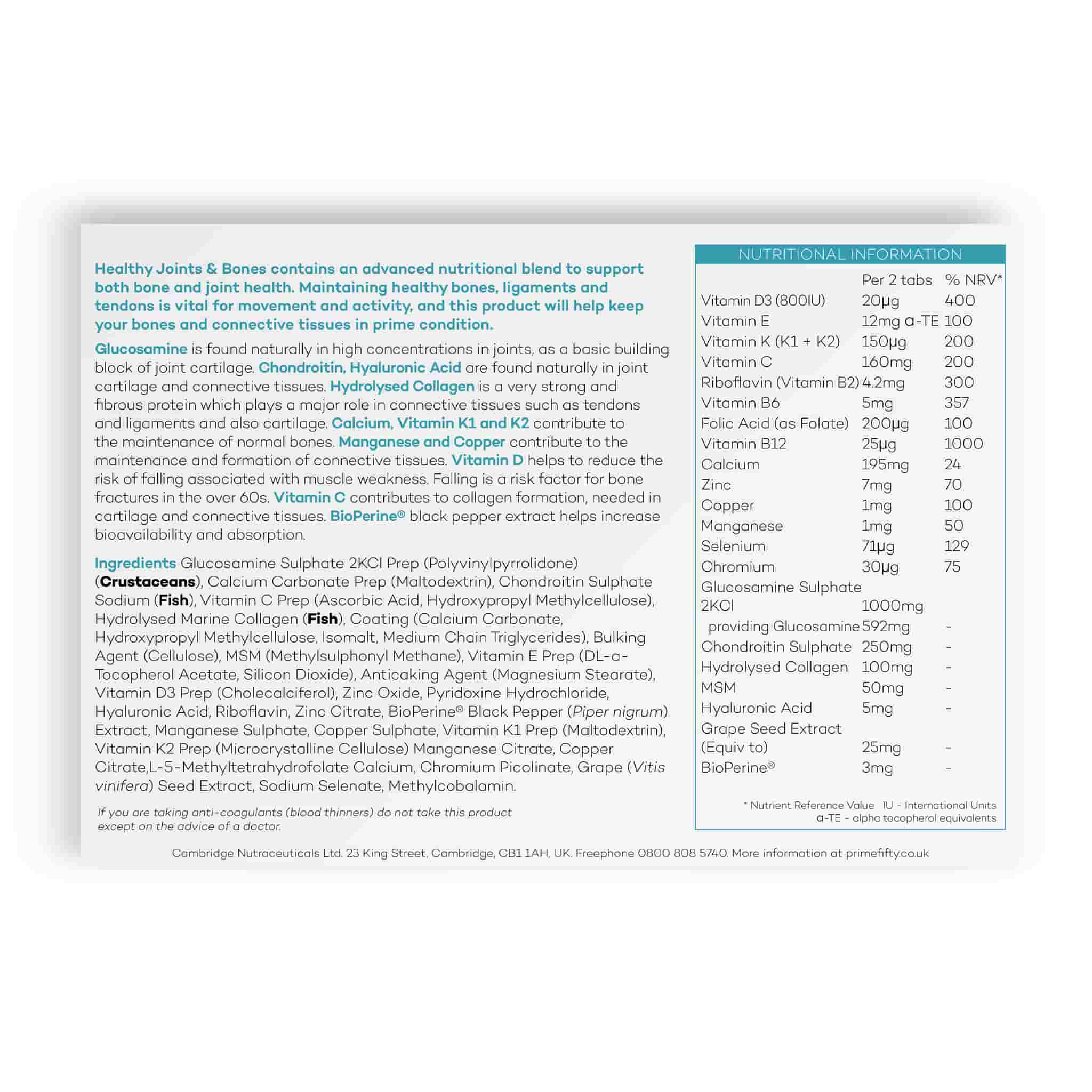
Supplement wisely. Smart, moderate supplementation can bridge nutrient gaps and support energy, immunity, bone health, and a lot more. Look for formulations tailored to older adults, and avoid megadoses. Key nutrients for supplementation include vitamin D, magnesium, selenium, vitamin E, B12, omega-3, CoQ10, preferably as a well-formulated multinutrient complex. Prime Fifty’s Total Wellbeing Bundle is designed to support all of your nutritional needs after 50.
Stay connected and learn new things. Finally, healthy ageing isn’t just physical. Connection, purpose, and ongoing learning and curiosity has been shown to help maintain a younger biological profile, as well as all the other aspects already covered.
Ageing is inevitable. How fast you age isn’t. By staying active, eating well, supporting your gut, managing stress, and supplementing smartly, you can dramatically improve how you age from the inside out. Biological age isn’t just a number – it’s a reflection of your lifestyle. And the best time to start is now.
Dr Max Gowland, PhD is the founder of Prime Fifty.



Leave a comment
This site is protected by hCaptcha and the hCaptcha Privacy Policy and Terms of Service apply.