


For many people, GLP-1 weight-loss drugs can feel transformative. Appetite falls, the scales begin to move and, often for the first time in years, they achieve meaningful weight loss. But there can be an unexpected downside.
As the pounds disappear, some people notice that their hair begins to shed, their nails become weaker or their skin looks drier and less healthy.
That doesn’t necessarily mean that the medication itself is directly damaging hair, skin or nails. A more likely explanation is that when you eat less, you may also consume much less protein, fewer vitamins and minerals, and even lower amounts of essential fats.
The evidence that this may be happening to people taking GLP-1 medicines is now starting to be revealed by research.
A small 2025 study of 69 adults using GLP-1 medicines found that their diets fell short of recommended intakes for a surprisingly wide range of nutrients, including iron, calcium, magnesium, potassium, choline and vitamins A, C, D and E. Their protein intake was also low for their body weight (Johnson et al., 2025).
A much larger analysis of more than 460,000 adults found that 12.7% of people were diagnosed with a nutritional deficiency within six months of starting a GLP-1 medicine, rising to 22.4% after a year, with vitamin D deficiency the most common (Butsch et al., 2025). Most had type 2 diabetes, so the figures may not apply directly to everyone using these medicines for weight loss.
Leading US nutrition and obesity organisations are now warning about inadequate nutrient intake during GLP-1 treatment, and calling for nutrient-dense foods, adequate protein and nutritional monitoring to be provided alongside it. (Mozaffarian et al., 2025).
Why can GLP-1 drugs create nutritional gaps?
GLP-1, short for glucagon-like peptide-1, is a hormone the body naturally releases after eating. Gut hormones like GLP-1 signal feelings of fullness when you've had enough food, while also helping regulate blood sugar and slowing the rate at which food leaves the stomach.
Weight-loss medicines work by enhancing this natural signal using synthetic peptides. Semaglutide mimics GLP-1, while tirzepatide acts on both GLP-1 and another gut-hormone receptor called GIP, leaving you feeling satisfied with much smaller amounts of food.
Controlled studies have shown that these can deliver major reductions in food intake, ranging from 24% to 39% compared with a placebo.
The big reduction in calorie intake is why these medicines are so effective for weight loss. But your body’s need for vitamin C, zinc, iron, selenium or protein does not suddenly fall by 30% simply because your appetite has.
How nutrition gaps can impact hair, skin and nails
Hair, skin and nails are constantly growing, renewing and repairing themselves and need continual nutrition to function. Hair follicles cycle through phases of growth and rest, skin cells are continually being replaced and nails grow throughout life. All of this requires energy, amino acids from protein and various vitamins and minerals.
But when nutrients become scarce, the body understandably prioritises the brain, heart, liver and other essential organs. Maintaining thick hair, smooth skin and strong fingernails comes much further down the body’s priority list, as survival is priority number one.
The nutrients you need for healthy skin, hair and nails
Prioritise protein at every meal
Hair and nails are largely made from a protein called keratin, while skin contains large quantities of collagen and elastin, proteins that give it strength, support, plumpness and elasticity. Rapid weight loss can also trigger ‘telogen effluvium’, in which an unusually large number of hair follicles leave their active growth phase and enter a resting phase.
- Signs of low intake: If you eat a lot less, your protein intake can quickly drop, leading to a loss of muscle tissue, skin collagen in the dermis, and low energy. After weeks or months, telogen effluvium can lead to increased hair shedding.
- Where to find it: Eggs, fish, chicken, lean meat, Greek yoghurt, cottage cheese, milk, tofu, beans, lentils and soya foods are all good protein sources to prioritise if your appetite shrinks.
- Supplement advice: Protein shakes can also help, but aren’t a replacement for a good diet. Resistance exercise is also important for protecting muscle during weight loss (Mozaffarian et al., 2025).
Top up on biotin
Biotin (vitamin B7) is well known in the beauty industry and is heavily marketed for hair, skin and nail health, but there’s nothing ‘magical’ about it – its genuine function is biochemical. Biotin supports enzymes involved in the metabolism of fats, carbohydrates and amino acids, which are all needed to produce energy for rapidly renewing tissues like skin, hair and nails.
- Signs of low intake: Low levels of biotin can produce thinning hair, skin rashes and even brittle nails.
- Where to find it: Eating a varied diet should give you enough, as biotin is ubiquitous in eggs, fish, meat, nuts, seeds, sweet potatoes, spinach and other vegetables. However, according to dietary intake data, around 90% of us in the UK are failing to consume the recommended target for biotin.
-
Supplement advice: Biotin supplementation can help to support your hair and nail health, but avoid high doses. Once the body has enough, the rest simply gets excreted without any extra benefit.
Take care of zinc
Zinc is one of the most important ‘beauty nutrients’, required in tissues where cells are rapidly growing and dividing, such as skin, hair and nails. It contributes to protein synthesis, including keratin, and normal DNA synthesis, and has been granted legally authorised health claims for maintaining healthy hair, skin and nails.
- Signs of low intake: If you’re deficient in zinc, you may start to notice problems including hair loss, impaired wound healing in skin, reduced appetite and loss of taste or smell. The last two are particularly relevant if you’re a GLP-1 user already struggling with appetite.
- Where to find it: Meat, shellfish, poultry and dairy foods are useful rich sources of zinc. Vegetarians can obtain zinc from beans, nuts, seeds and wholegrains, although absorption from some plant foods can be lower.
-
Supplement advice: Zinc is a ‘nutrient of concern’ in the UK, as nearly 80% of us are failing to consume the target recommendation for zinc from diet alone, according to dietary intake data. People using GLP-1 drugs may be getting even lower levels, making a multivitamin that includes zinc helpful. However, avoid high-dose zinc supplements, as excessive zinc can interfere with copper absorption and potentially lead to copper deficiency.
(Vitamin) C is for collagen
Collagen makes up 70% of the dermis – the thick, supportive middle layer of the skin – and is one of the principal proteins that give skin its structure, plumpness and elasticity. As we lose a little collagen every day, it’s important to make sure the body is able to replace it, and vitamin C is needed for the body to make new collagen.
- Signs of low intake: When vitamin C intake becomes severely inadequate, collagen synthesis is impaired, giving rise to poor wound healing, fragile connective tissue, bruising, abnormal skin changes and characteristic corkscrew hairs.
- Where to find it: Vitamin C should be easy enough to get from your diet, typically from peppers, berries, citrus fruit, kiwifruit, broccoli, tomatoes, potatoes and many other fruits and vegetables. The NHS recommends 40 mg of vitamin C a day for adults, achieved with just one orange.
-
Supplement advice: A standard multivitamin or an effervescent vitamin C can also help if dietary intake is poor, but ‘megadoses’ are unnecessary.
Vitamin A for overall skin health
Vitamin A is another essential nutrient, often found as retinol, with an important role in maintaining healthy skin by helping cells develop and function normally.
- Where to find it: Good vitamin A sources include eggs, dairy and liver, while carrots, sweet potatoes and dark-green vegetables provide beta-carotene, which the body converts into vitamin A.
-
Supplement advice: Because vitamin A is fat-soluble and can build up in the body, high-dose supplements should never be used, as this nutrient can be particularly toxic, especially for pregnant women.
Iron is important for hair and nail growth
Most people know that we need iron to manufacture haemoglobin, the protein in red blood cells that carries oxygen around the body. But iron is also important for both hair and nail growth, because their rapidly dividing cells need it to function normally.
- Signs of low intake: When iron stores are low, the body prioritises essential organs first. This can disrupt hair growth and lead to the resting and shedding phase known as telogen effluvium. Iron deficiency can also make nails thin and brittle and, in severe cases, give them a characteristic spoon shape.
- Where to find it: Red meat and shellfish contain efficiently absorbed ‘haem iron’. Beans, lentils, nuts, dark-green vegetables and fortified cereals provide a different form called ‘non-haem’ iron, which is less bioavailable. Eating vitamin-C-rich foods along with non-haem iron improves absorption.
-
Supplement advice: Avoid high-dose iron supplements, as excess iron intake can be harmful. If you suspect iron deficiency or are worried about hair shedding, it’s best to talk to your GP.
Selenium: helpful, but only in moderation
Selenium is a lesser-known mineral relevant to both hair and nail health, part of a family of proteins involved in antioxidant defences, thyroid hormone metabolism and other essential cellular functions. It also has authorised health claims for contributing to both healthy hair and nails.
- Where to find it: Fish, seafood, meat, poultry, eggs, dairy foods and cereals can all contribute selenium to the diet. Brazil nuts are also particularly rich in selenium, although their content is highly variable because it depends on the soil in which they were originally grown.
-
Supplement advice: More selenium isn't always better. Excessive selenium can actually produce hair loss, together with brittle or even abnormal nails. Avoid high-dose selenium supplements as a DIY treatment for thinning hair. A multi-nutrient product containing selenium at an appropriate dose s more sensible. Taking 350μg or less a day of selenium supplements is unlikely to cause any harm, according to UK government advice.
Copper for hair colour and connective tissue
Copper isn’t usually considered a ‘beauty nutrient’, despite its importance for ongoing healthy hair pigmentation. It’s required by enzymes involved in energy production, iron metabolism and, importantly, the synthesis of connective tissues, including skin collagen itself.
- Signs of low intake: True copper deficiency is uncommon, but when it does develop, it can cause anaemia, loss of normal hair pigmentation, connective-tissue problems and even neurological abnormalities. It may become a concern if GLP-1 treatment leads to an overly restricted diet, giving rise to both hair and skin problems.
- Where to find it: Shellfish, nuts, seeds, wholegrain foods, potatoes, mushrooms, chickpeas, tofu and dark chocolate can all help contribute copper to the diet.
-
Supplement advice: Copper is included in many multi-nutrient supplements at safe and sensible levels. But like other minerals, avoid megadoses, as more is not always better.
Don't cut out healthy fats
Not everything your skin needs comes from collagen, vitamins and minerals. Healthy fats form part of the skin’s natural lipid or fatty barrier, the protective outer layer that helps stop too much water escaping from the skin.
When this barrier is well supported via a balanced diet, skin is better able to stay soft, hydrated, supple and flexible. This is why cutting dietary fat too aggressively during weight loss is not a good idea.
Oily fish, nuts, seeds, avocados and olive or rapeseed oil provide healthy unsaturated fats, including essential fatty acids that the body can’t make for itself, while also supplying other nutrients that support overall skin health.
So, what should someone taking a GLP-1 drug actually do?
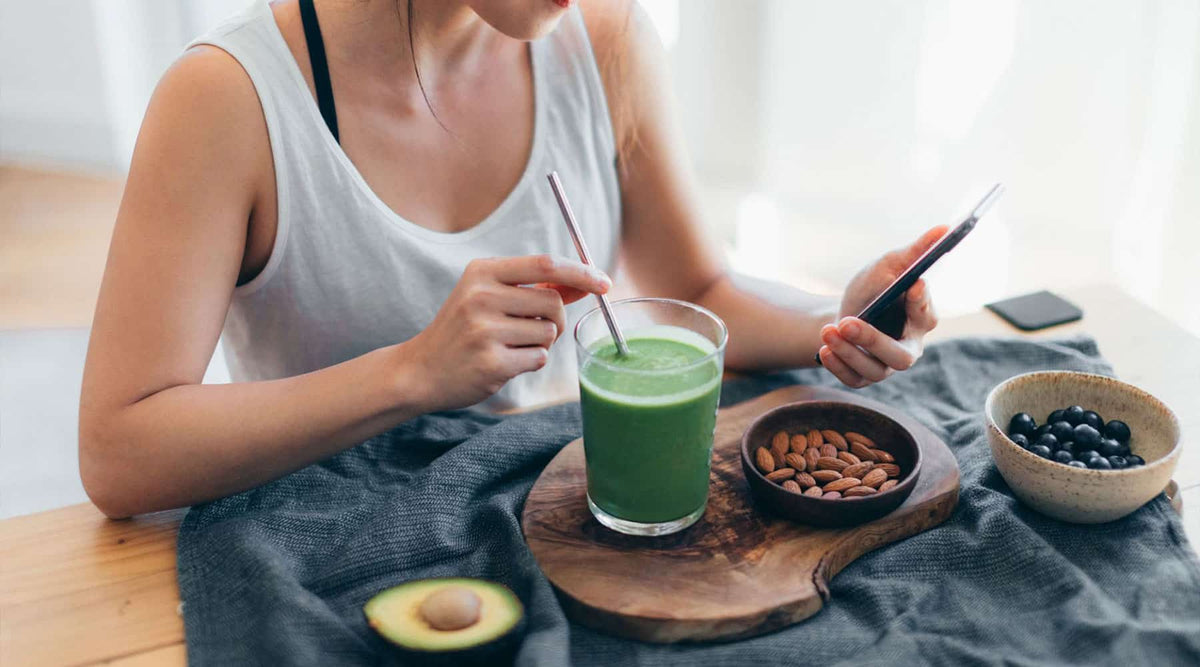
As the amount of food we eat falls, the nutritional quality of that food needs to rise. Make every mouthful count by choosing foods that provide plenty of protein, vitamins, minerals and healthy fats within a smaller overall intake. Think of every meal as having a nutritional hierarchy:
- Protein first: Start by addressing your protein needs, for example with eggs, fish, poultry, lean meat, Greek yoghurt, cottage cheese, beans, lentils or tofu.
- Then vegetables or fruit: Add these next, particularly vitamin-C-rich and colourful varieties.
- A little nuts and seeds: Try to include small quantities of nuts and seeds, which are nutritionally dense sources of minerals, healthy fats, fibre and protein.
- Wholegrains and pulses: These provide additional B vitamins, minerals and all-important fibre.
It’s not always to everyone’s taste, but oily fish is a great choice as it provides not only high-quality protein, but selenium, healthy omega-3 fats and vitamin D in one small, concentrated portion. Variety matters too, to make meals more interesting and nutritionally diverse.
Finally, what about supplements?
If your diet has shrunk dramatically, a multivitamin providing roughly normal daily amounts of vitamins and minerals can offer useful nutritional support. Megadose ‘beauty nutrient’ supplements are a different matter: more is not always better, and some nutrients can cause harm in excess.
If you notice substantial hair shedding, persistent fatigue, brittle nails or marked skin changes, the sensible response is not simply to buy a hair supplement. It’s better to talk to your GP, who can review your diet and, where appropriate, check nutrients such as iron, vitamin B12, folate and vitamin D.
GLP-1 medicines can be enormously valuable tools for weight management, but successful weight loss should mean becoming better nourished, not simply lighter. And sometimes your hair, skin and nails provide the first visible warning that, while the weight-loss programme is working, the nutrition programme needs a little more attention.
Dr Max Gowland is the founder of Prime Fifty.

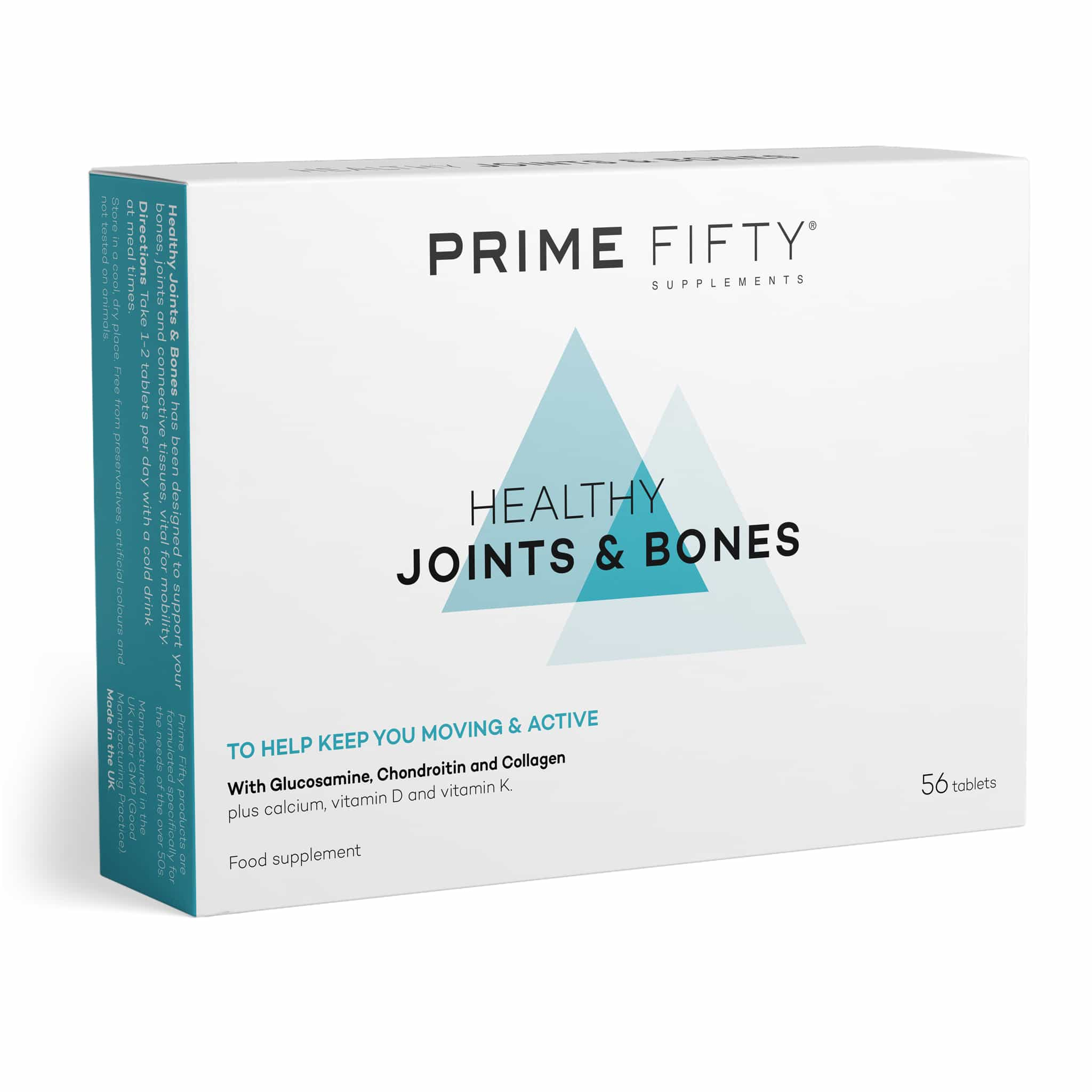
From the Prime Fifty range
Skin, Hair & Nails
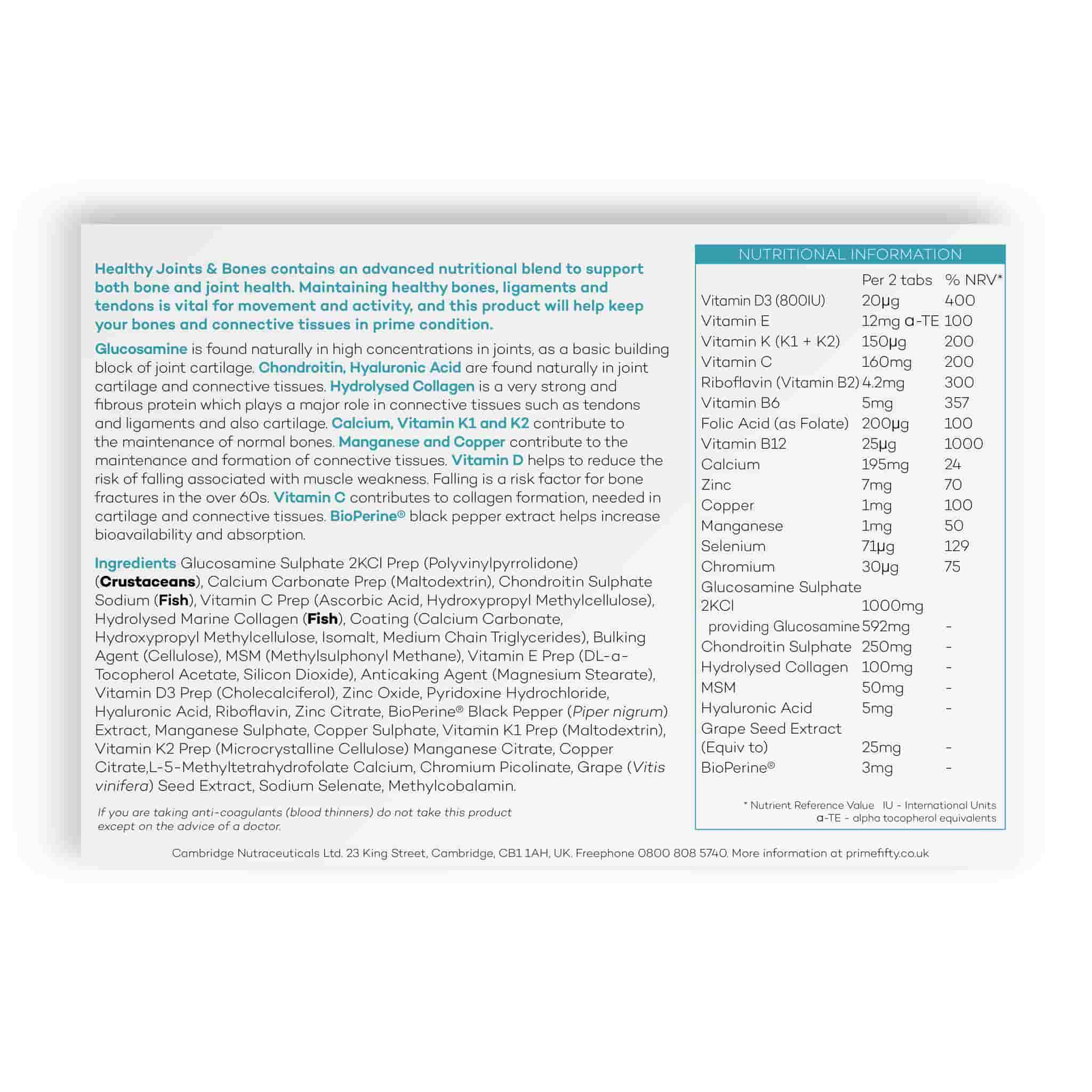
If your diet has shrunk, a daily multi-nutrient can help fill some of the gaps. Skin, Hair & Nails combines biotin, zinc, selenium, copper, iron and vitamins A and C with marine collagen peptides and Ceramosides™, in one tablet a day.
Taking a GLP-1 medicine or other prescribed medication? Check with your GP or pharmacist before starting a supplement.
References
Butsch, W.S., Sulo, S., et al. (2025) ‘Nutritional deficiencies and muscle loss in adults with type 2 diabetes using glucagon-like peptide-1 receptor agonists: a retrospective observational study’, Obesity Pillars, 15, 100186. doi:10.1016/j.obpill.2025.100186.
Johnson, B. et al. (2025) ‘Investigating nutrient intake during use of glucagon-like peptide-1 receptor agonist: a cross-sectional study’, Frontiers in Nutrition, 12, 1566498. doi:10.3389/fnut.2025.1566498.
Mozaffarian, D., Agarwal, M., Aggarwal, M., Alexander, L., Apovian, C.M. et al. (2025) ‘Nutritional priorities to support GLP-1 therapy for obesity: a joint advisory from the American College of Lifestyle Medicine, the American Society for Nutrition, the Obesity Medicine Association, and The Obesity Society’, American Journal of Lifestyle Medicine. doi:10.1177/15598276251344827.
‘Nutritional deficiencies and muscle loss in adults with type 2 diabetes using glucagon-like peptide-1 receptor agonists’ (2025) Obesity Pillars PMID: 40584822.
European Commission (2012) Commission Regulation (EU) No 432/2012 establishing a list of permitted health claims made on foods, other than those referring to the reduction of disease risk and to children's development and health. Official Journal of the European Union.



Leave a comment
This site is protected by hCaptcha and the hCaptcha Privacy Policy and Terms of Service apply.