


Most of us don’t just want to live longer – we want to keep living well as we age.
We asked over 1,000 people aged 50+ what they wanted as they got older, and the answers all had a similar theme: “I just want to stay active, mobile, independent, and able to keep doing the things I love.”
Nutrition is one of the most powerful things we can control to make that happen. Once we pass into our fifties, our bodies begin to change in ways that make vitamins, minerals and nutrients even more important for our health than they were when we were younger.
Our nutritional needs after 50 are higher than when we were younger
People often assume that we need less food as we get older. While it’s true that older people need fewer calories on average, the rest of our nutritional needs are actually higher. That’s because of a range of natural changes in our physiology as we age that place extra demands on our diets.
For example, the body’s muscle mass starts to reduce by around one to two percent a year from middle age on, accelerating after 65. This natural loss of muscle strength, called sarcopenia, becomes a risk factor for falls and fractures in older adults. To combat that, older adults actually need more protein than younger people.
Meanwhile, our bone mineral density is slowly reducing. This accelerates for women after menopause, as our ability to make vitamin D from sunlight – an essential vitamin for calcium absorption – declines with age. We need more calcium and vitamin D to help prevent osteoporosis and fractures.
At the same time as nutritional demands like these increase, our bodies are becoming less efficient at absorbing nutrients from our diets, caused by a decrease in stomach acid and other factors. This can lead to lower levels of important vitamins and minerals like vitamin B12, calcium, iron and magnesium, affecting energy levels and leading to a host of health problems over time.
But over-50s aren’t getting enough nutrients from what they eat
The UK National Diet and Nutrition Survey (NDNS), run by Public Health England, consistently shows that many people aged 50 and over are not reaching even the basic recommended daily allowance (RDA) levels for many essential vitamins and minerals.
Nearly 90 percent are failing to reach the RDA for magnesium, 86 percent for iron, 85 percent for biotin (vitamin B7), and so on. These shortfalls directly impact muscle strength, bone density, immune resilience, cardiovascular health, cognition and vision. Modern diets, lower food quality, reduced sun exposure, and lifestyle factors all add to the problem.
How supplements can support your health after 50
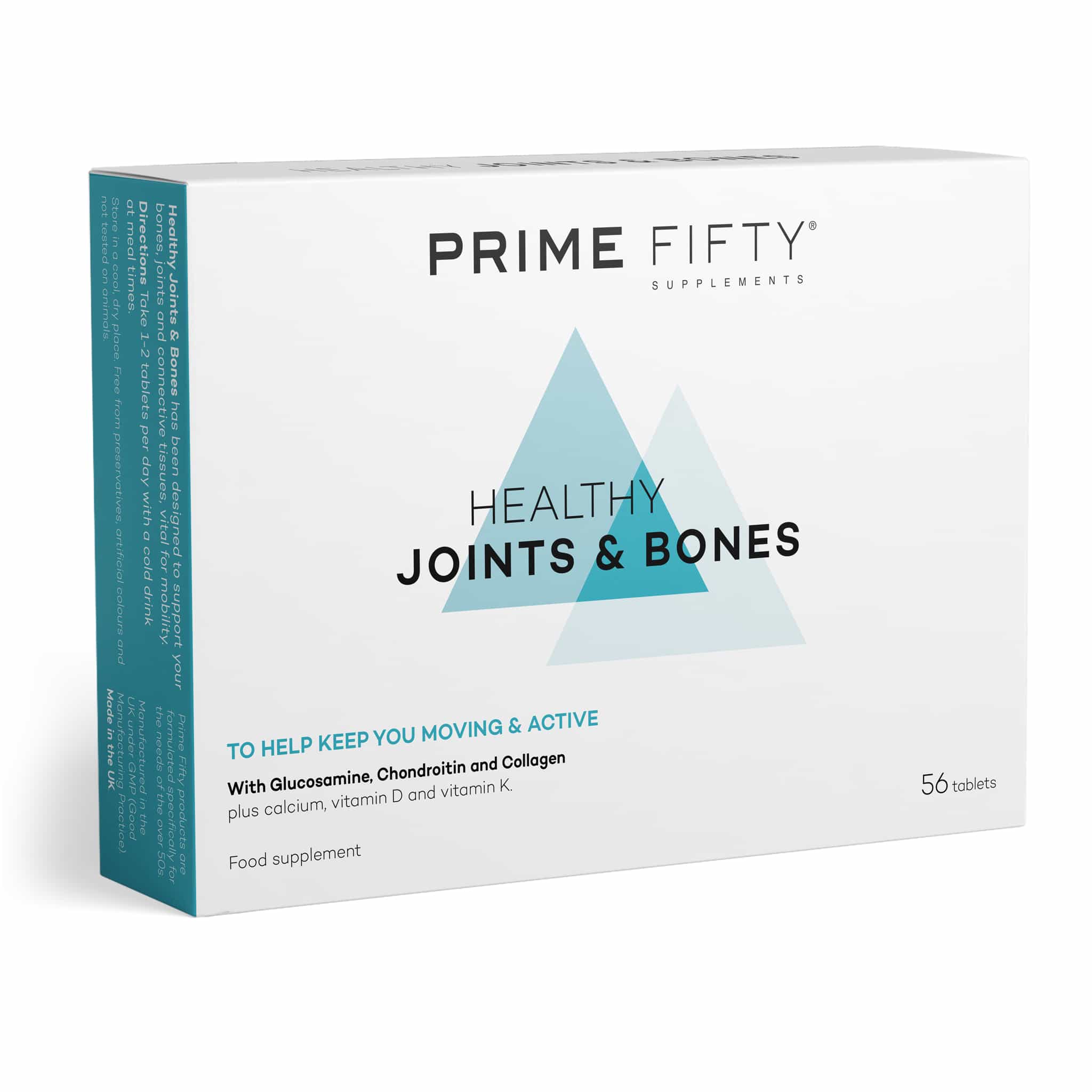
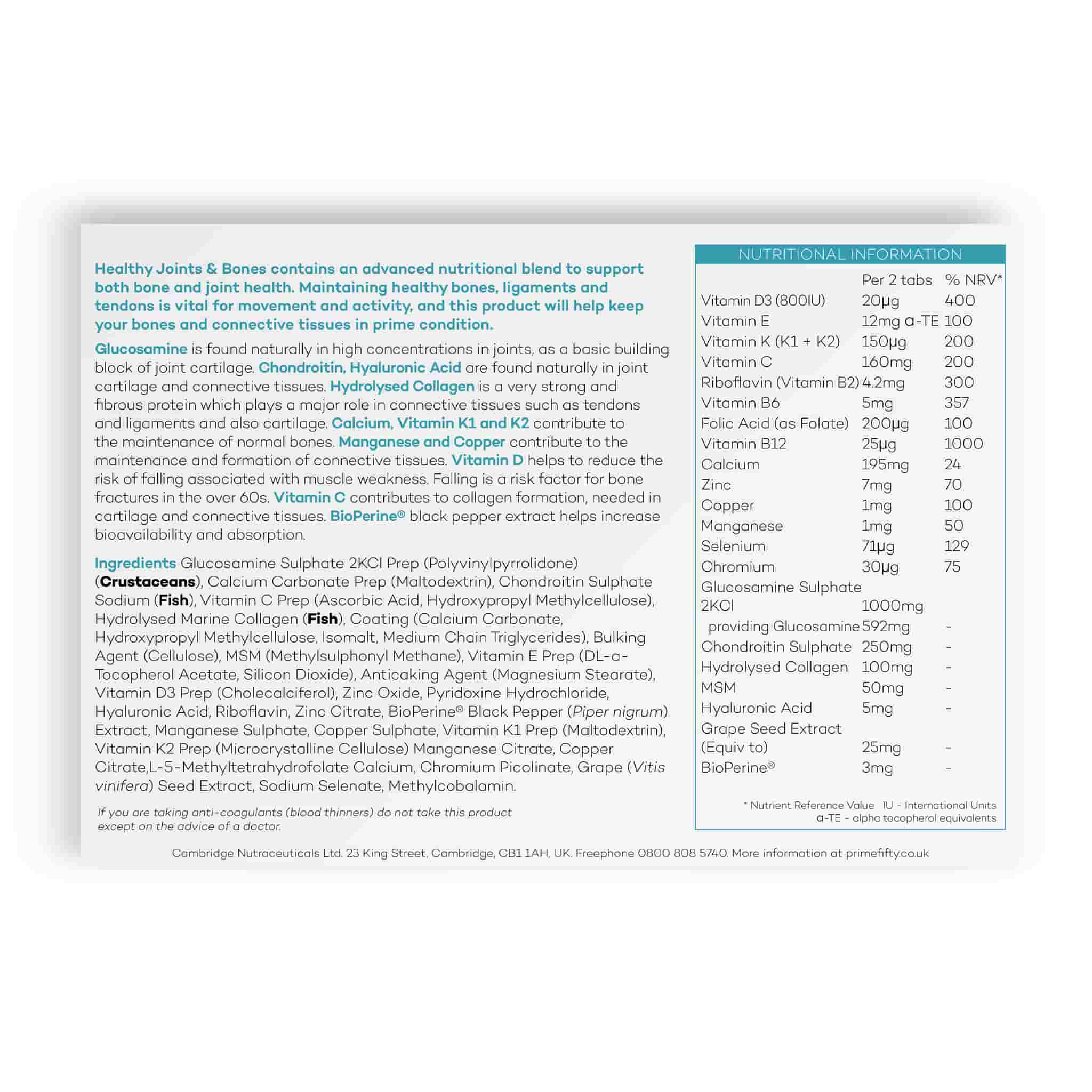
Supplements are never a replacement for a healthy diet, but they can be a practical partner to one. Smart supplements tailored for your needs can help close the nutritional gaps that diet alone often cannot, supporting strength, resilience, and vitality in later life.
The point isn’t about chasing mega-doses or miracle pills. It’s about taking evidence-based, targeted steps that give our bodies what they need to keep functioning well.
Life doesn’t stop at 50, 60, 70, or even 80. To keep enjoying the independence, activities and connections that make life rich, we need to invest in our healthspan – not just our lifespan. And sensible supplementation is one of the simplest, most effective ways to do that.
Dr Max Gowland, PhD is the founder of Prime Fifty.



Leave a comment
This site is protected by hCaptcha and the hCaptcha Privacy Policy and Terms of Service apply.